7 hr
Cartagena: Rosario Islands 5-Stop Tour with Lunch & Beach Clubs
- Expert local guide
- Small group
- Skip-the-line access
- Free cancellation
Rosario Islands Tours — Reserved Boats & Reef Crossings
Coral reefs at anchor, mangrove channels at first light.
Compare fares, pick the fit — all bookings are mobile-voucher and eligible for free cancellation where shown.
7 hr
7 hr
7 hr
| Experience | Duration | Rating | Skip-the-line | Guide | Small group | Free cancel. | Price | |
|---|---|---|---|---|---|---|---|---|
|
Guided Experience
Most popular
Cartagena: Rosario Islands 5-Stop Tour with Lunch & Beach Clubs
|
7 hr | ★ 4.6 | ✓ | ✓ | ✓ | ✓ | €62 | Book → |
|
Guided Experience
Cartagena: Rosario Islands & Playa Blanca Speedboat Excursion
|
7 hr | ★ 4.8 | ✓ | ✓ | ✓ | ✓ | €71 | Book → |
|
Guided Experience
Rosario Islands Full-Day Boat Trip with Snorkel & Lunch from Cartagena
|
7 hr | ★ 4.7 | ✓ | ✓ | ✓ | ✓ | €66 | Book → |
Worth it for snorkelers, thin value for beach-only days
Rosario Islands Tours run on a stacked cost structure: the 28,000 COP national park entry fee for a foreign adult sits on top of whatever the boat operator charges, and lunch, snorkel gear rental, and beach-club day passes are usually separate again. What that buys is real: a protected marine reserve inside Corales del Rosario y San Bernardo National Natural Park, coral formations and reef fish you cannot reach from the mainland, and stops across an archipelago of small islands with mangrove channels between them. Value depends on what you came for. If you snorkel or dive, the reef alone justifies the day. If you only want sand and a drink, cheaper coastline exists closer to Cartagena. Book a boat tour of the Rosario Islands that states inclusions in writing, so the extras do not double your spend.
Bottom line: Book a Rosario Islands Tours tour if the reef is the point; otherwise the boat fare and park fee buy you an expensive beach chair, and Rosario Islands Tours tours reward snorkelers far more than sunbathers.
Choose Rosario Islands Tours for reef-quality snorkeling worth the boat commitment, and choose Baru's Playa Blanca when road access and easy logistics matter more than water clarity.
|
Top pick Rosario Islands |
Baru / Playa Blanca | |
|---|---|---|
| How you get there | Boat only, 45–90 min from Cartagena | Boat (45–60 min) or road via bridge (~90 min) |
| Boat/ferry dependency | Full — no land route into the park | Optional — buses and taxis cross the bridge |
| Water and snorkeling quality | Clearer reef water, 200+ fish species | Sandier, wave-washed, weaker reef life |
| Crowd and vendor levels | Busy at popular islands, quieter coves exist | Heavy vendor pressure, up to 2,200 daily visitors |
| Family suitability | Calm coves suit kids, longer crossing | Shorter transfer, more amenities on land |
| Typical day-trip cost | COP 159,000–410,000 per adult | COP 40,000–100,000 per adult (land option) |
| See tickets & prices |
Verdict: Rosario Islands rewards travelers chasing clearer water and coral for the price of a longer boat commitment, while Baru's Playa Blanca suits those who want a shorter, land-accessible beach day with less schedule risk.
Hand-picked experiences loved by thousands of travelers
7.5 hours
Free Cancellation
Full-day catamaran sail to the Rosario Islands with swimming, snorkeling, and an onboard lunch.
8 - 9 hours
Free Cancellation
Full-day Caribbean boat trip to Cartagena's island gems, with snorkeling, beach time, and lunch included.
6.5 hours
Free Cancellation
An adults-only island-hopping party cruise through the Rosario Islands with DJs, beach beds, and lunch.
9.5 - 13.5 hours
Free Cancellation
Beach day on Barú with boat transfer, lunch, and a rare shot at glowing bioluminescent plankton.
7 hours
Free Cancellation
Full-day coach and speedboat escape to Barú's beaches, islands, lunch, and glowing plankton.
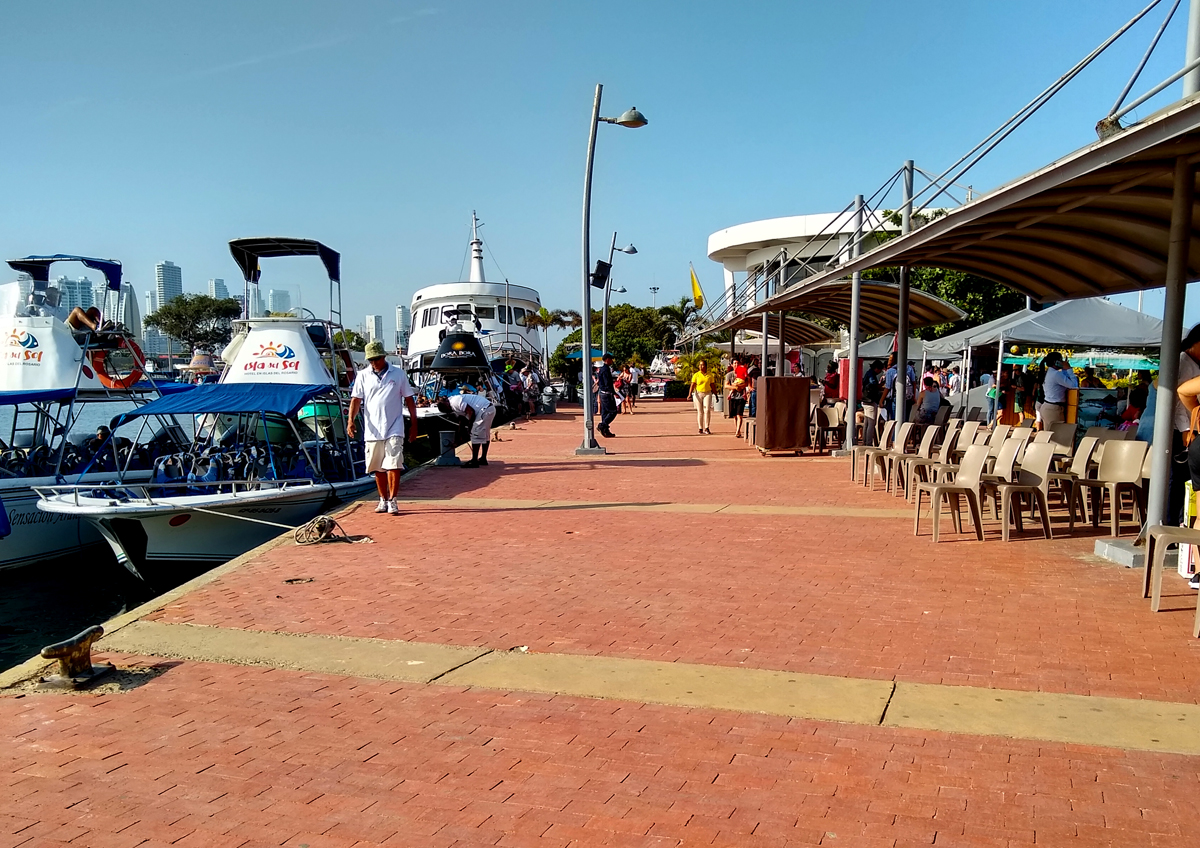
Arrive at Muelle La Bodeguita, pay the national park entry fee and any dock fees in cash, and board your assigned Rosario Islands Tours boat
Speedboat transfer across open water to the archipelago, with life jackets required for the full crossing
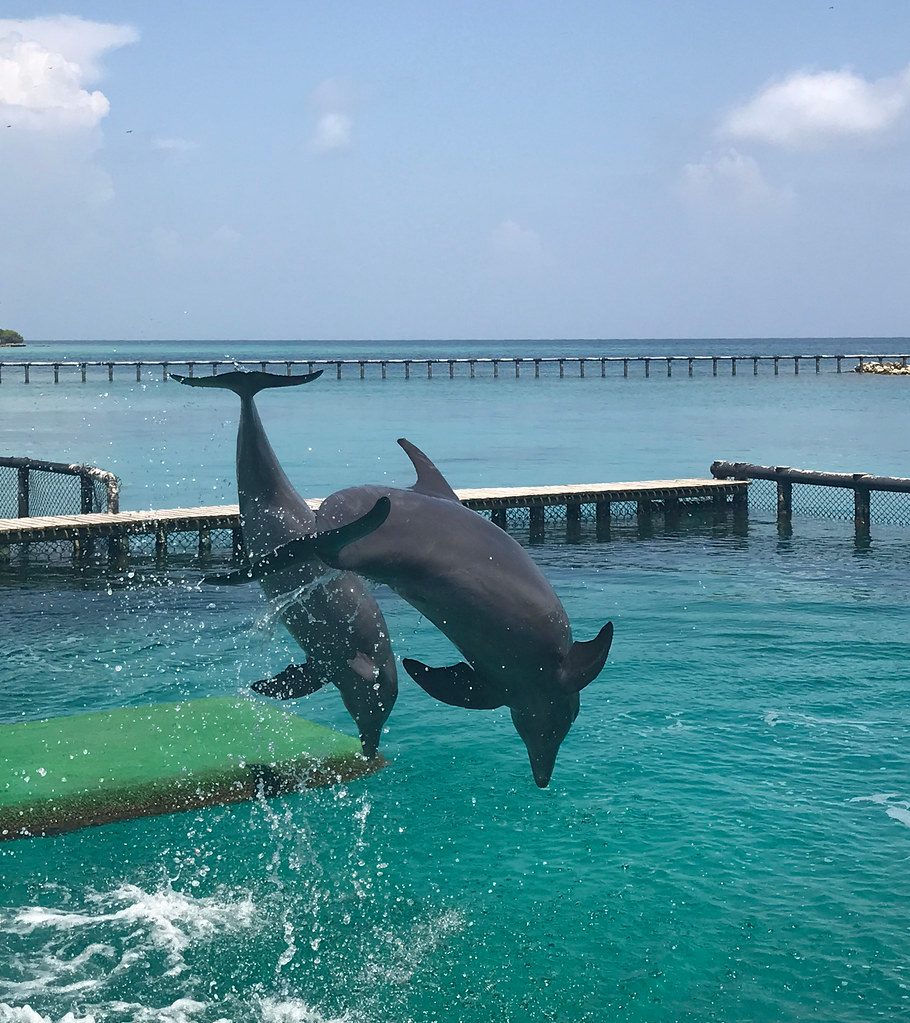
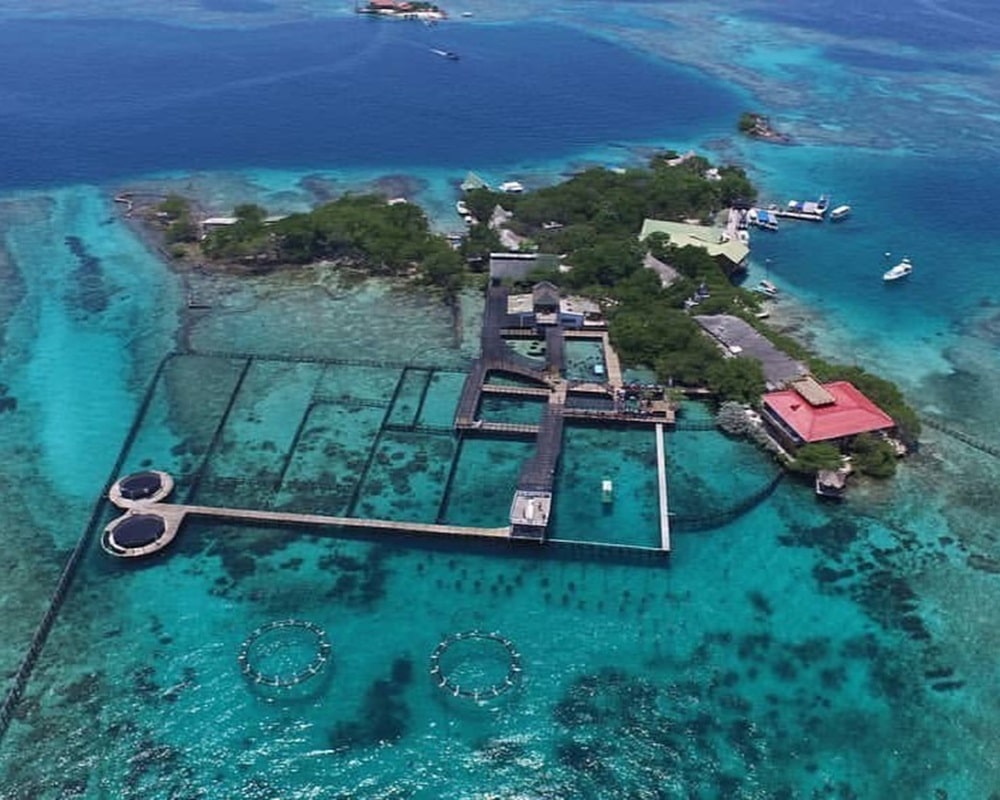
Optional visit to the Oceanarium on Isla San Martín de Pajarales to see dolphins, nurse sharks, and reef species
Snorkel over coral reefs near Isla Grande or Playa Blanca, then relax at a beach club with lunch service
Board the return boat by early-to-mid afternoon, since strong currents limit safe crossings later in the day
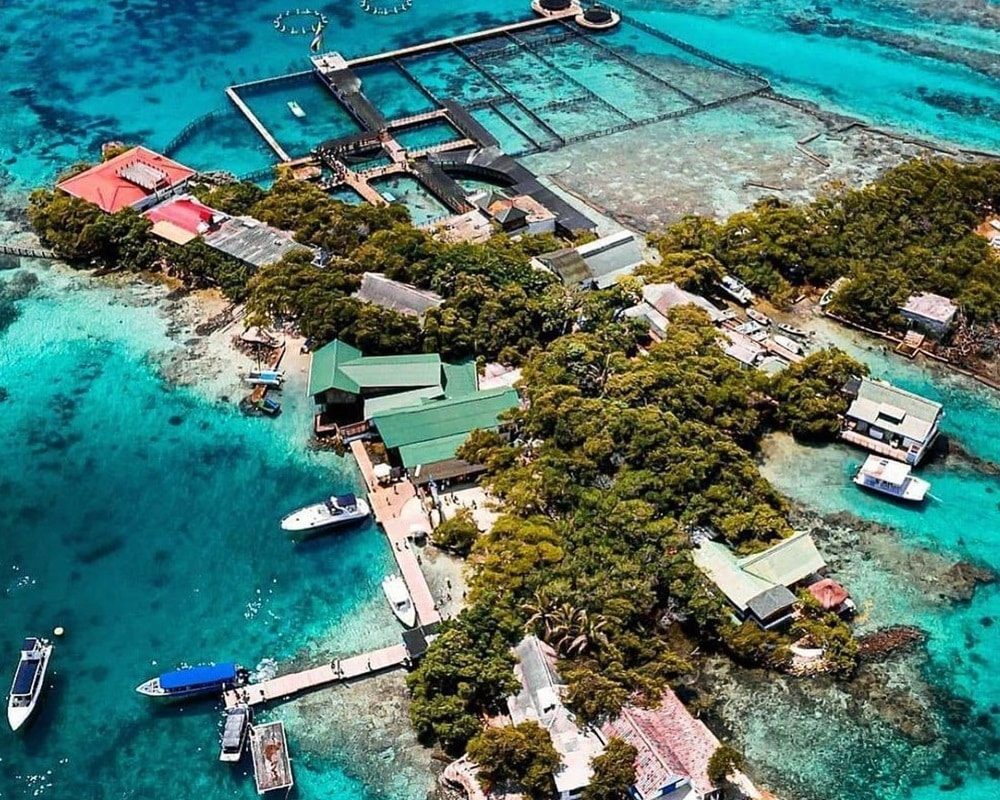
A natural-water aquarium built directly into the sea around this small island, using the surrounding Caribbean itself as the enclosure rather than artificial tanks. It houses dolphins, nurse sharks, sea turtles, and rays, and the guided visit typically runs about one hour.
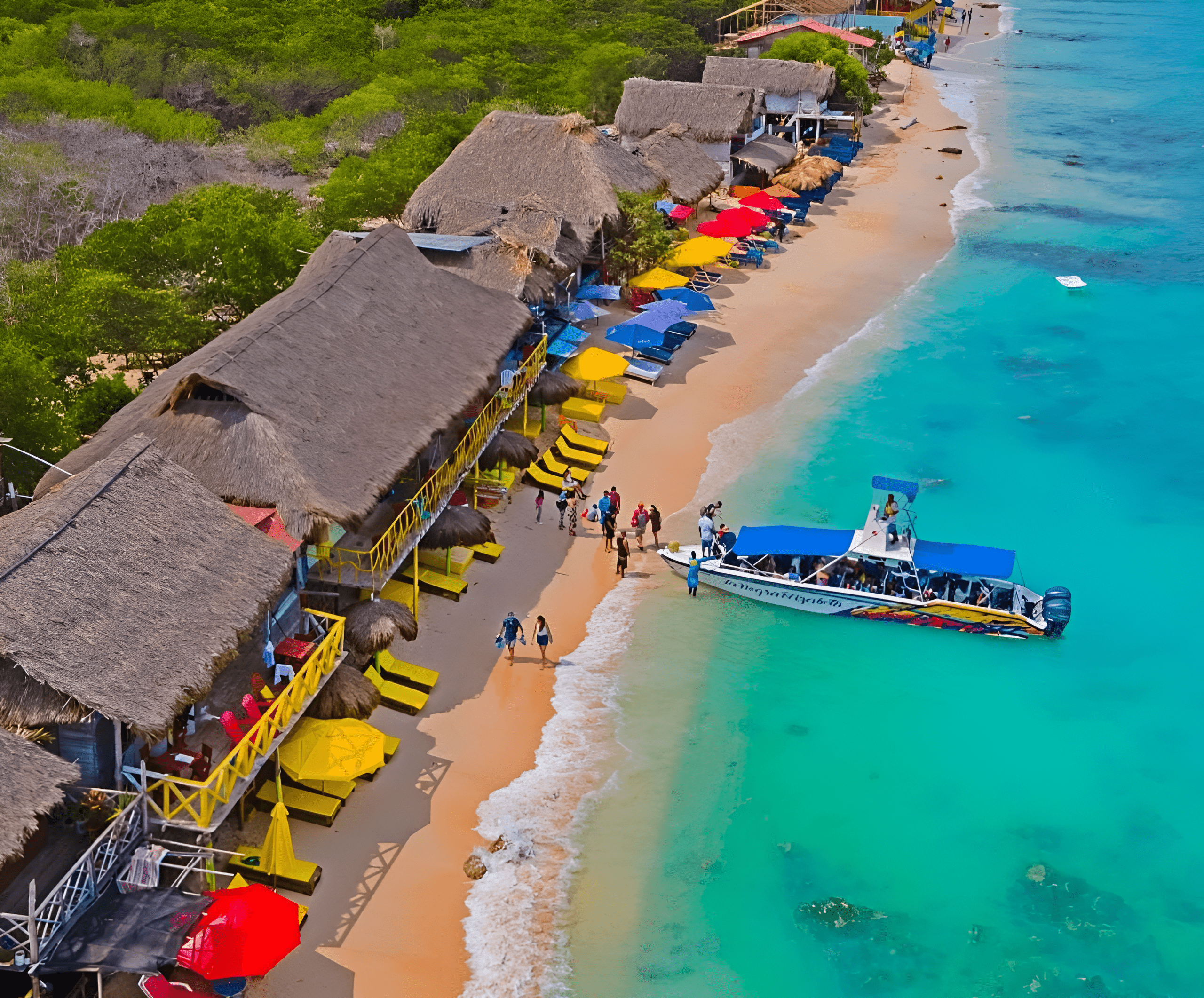
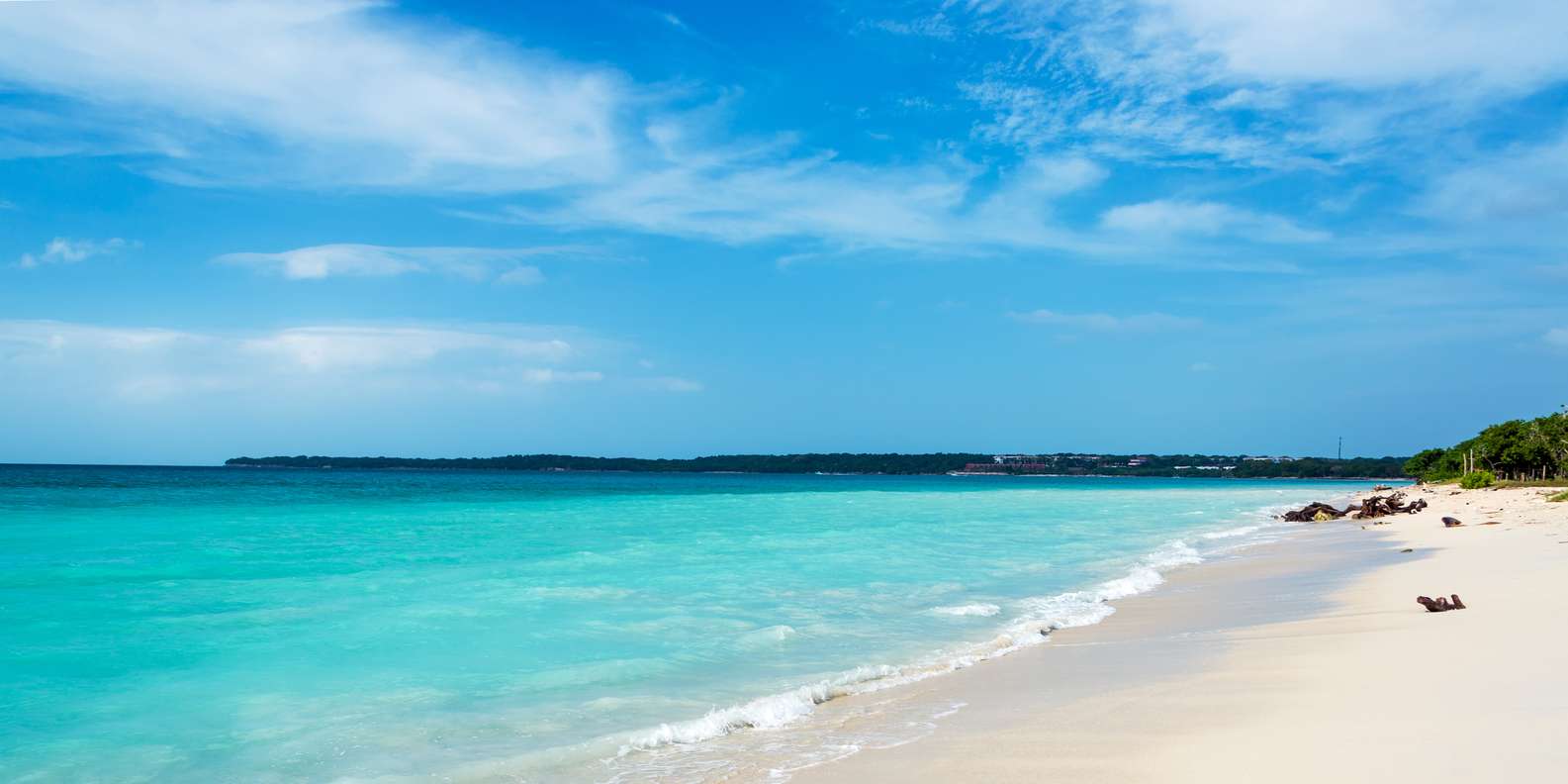
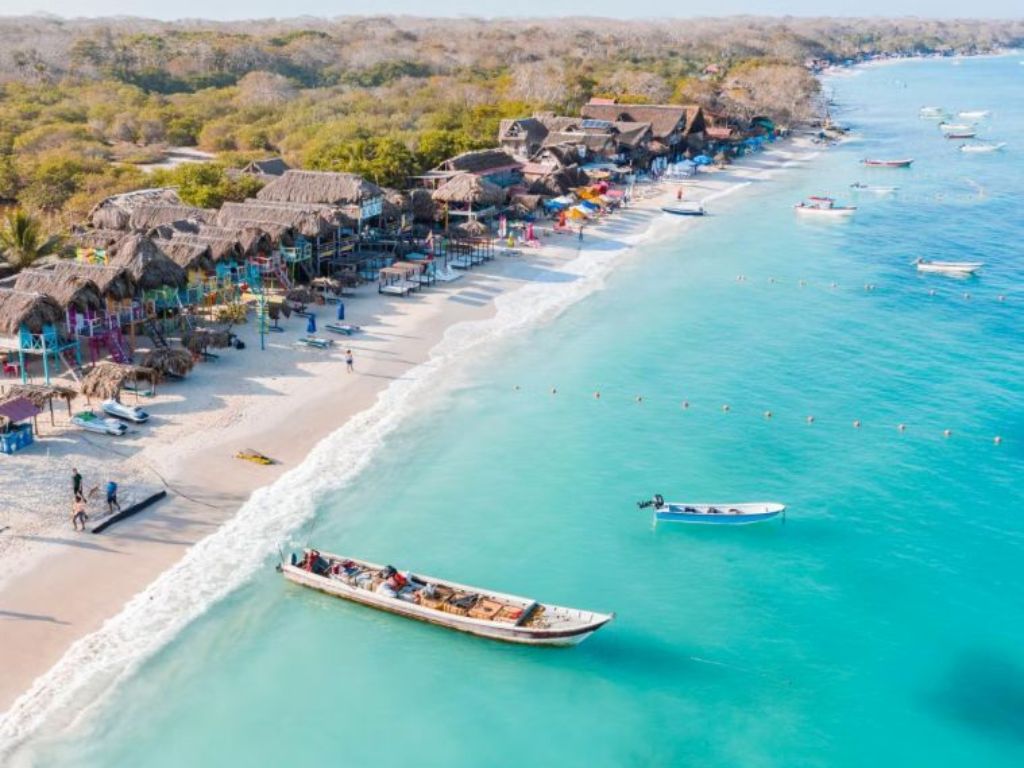
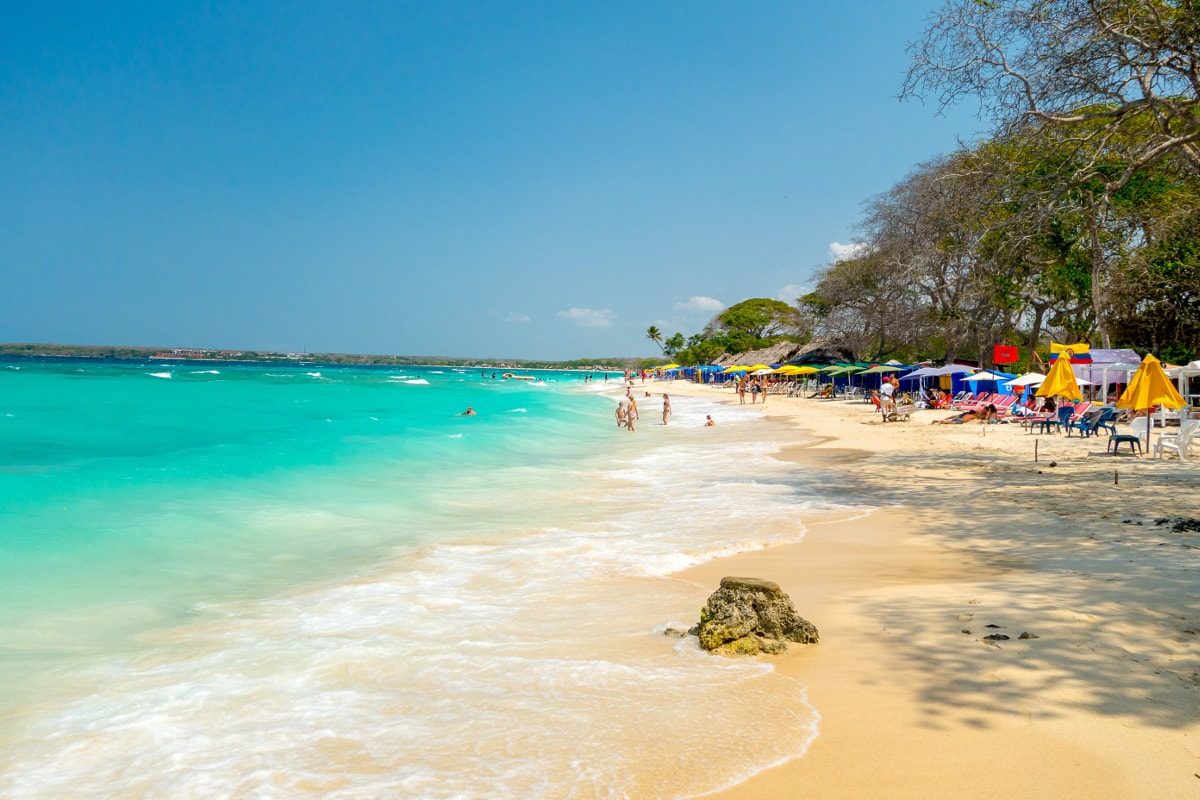
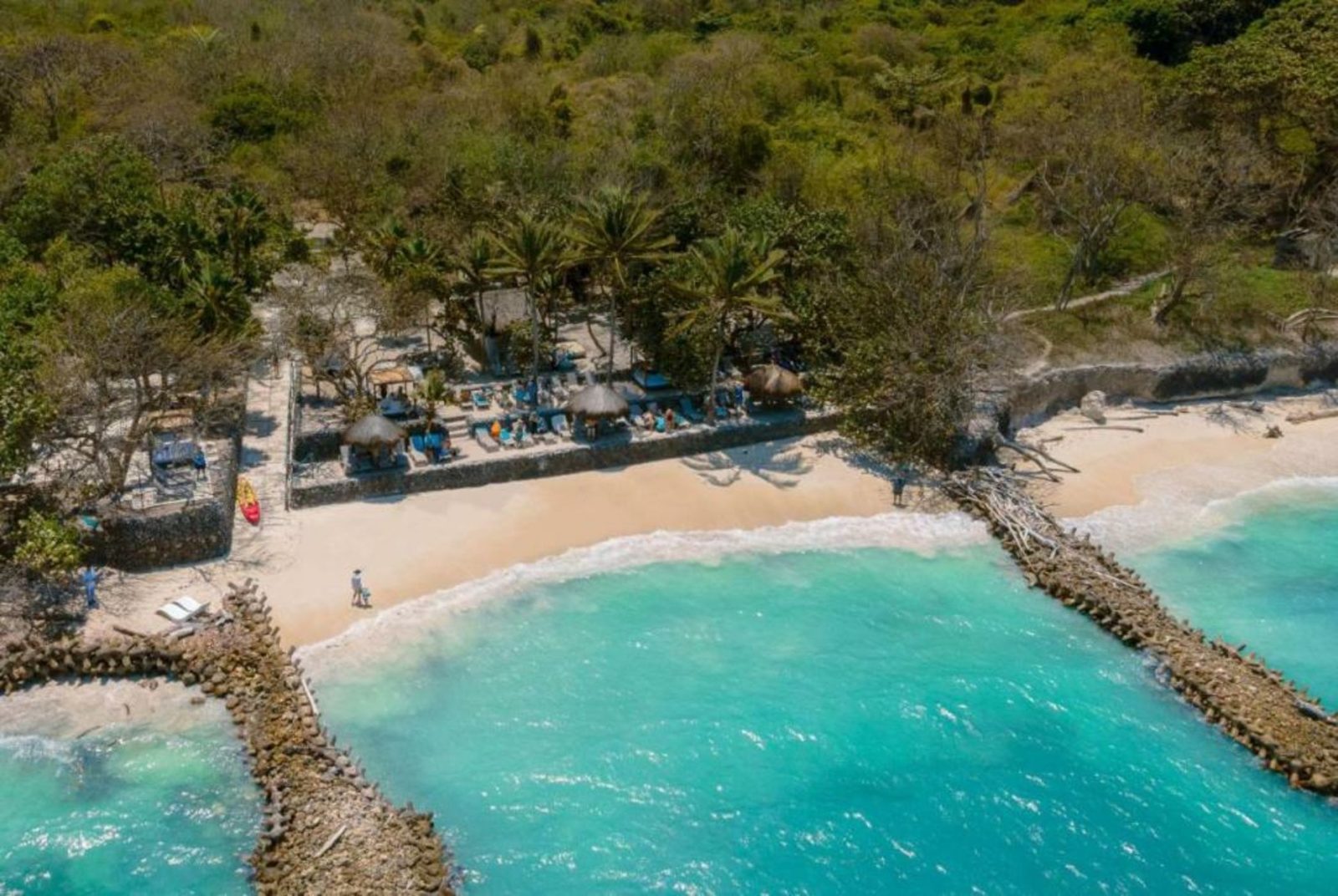
A long stretch of white sand on Barú island that serves as the lunch and swimming stop for most day-trip itineraries in the archipelago. Its shallow, calm water is a contrast to the rockier snorkeling reefs found closer to the smaller cays.
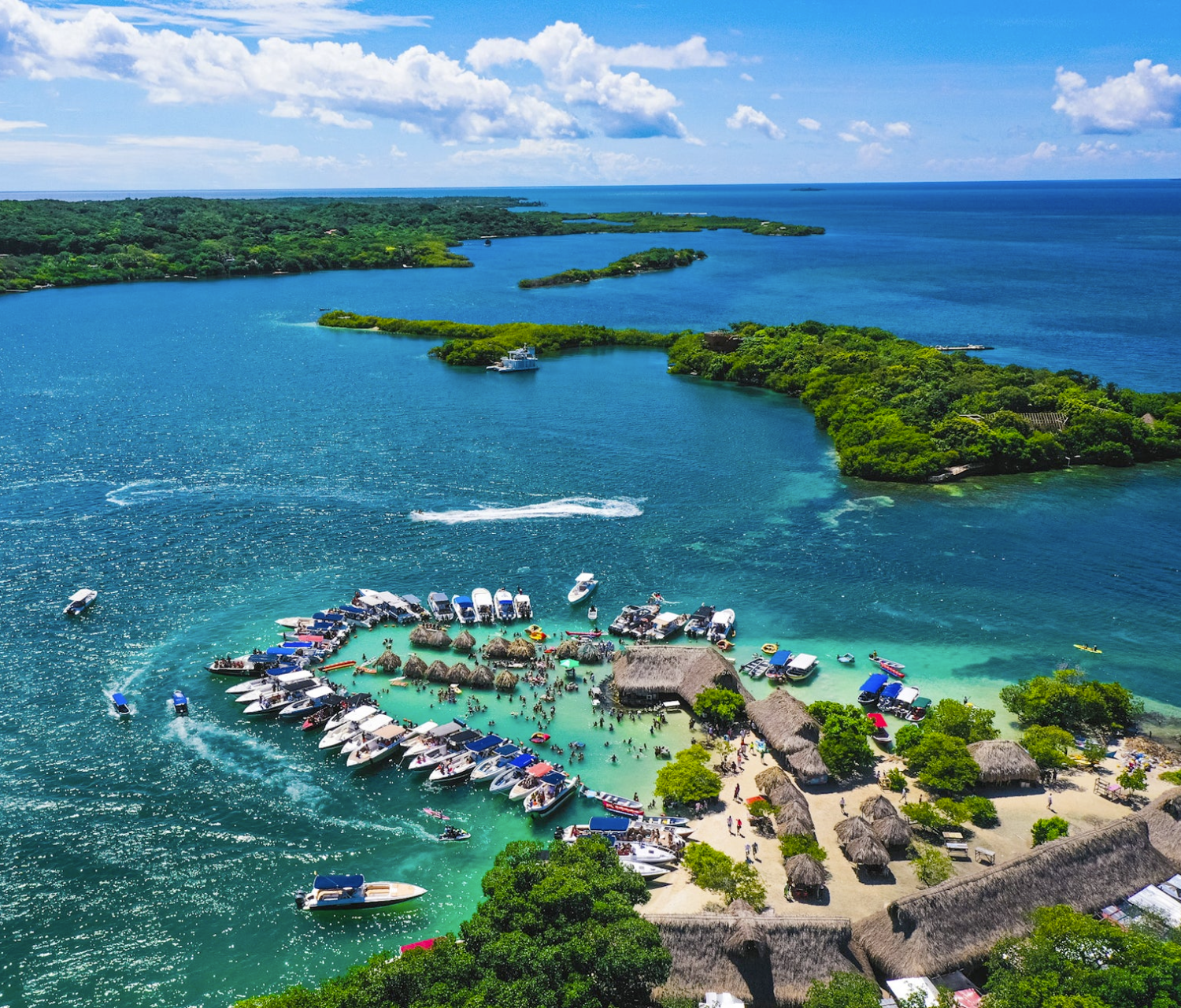
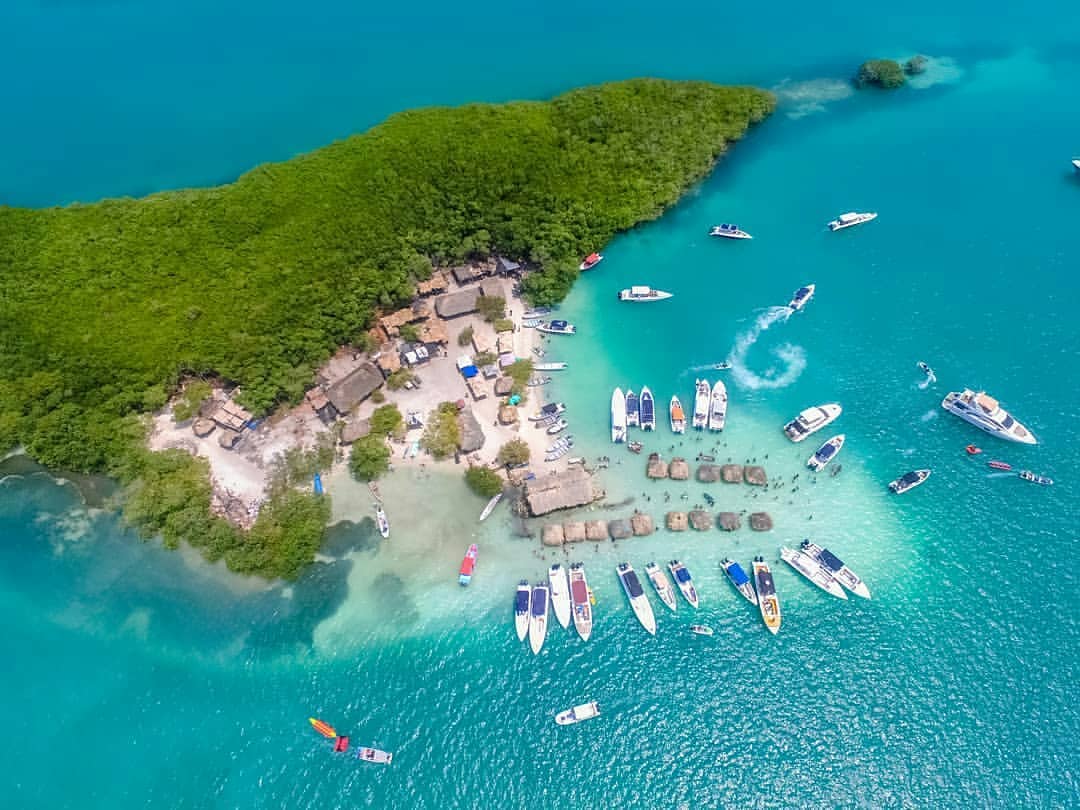
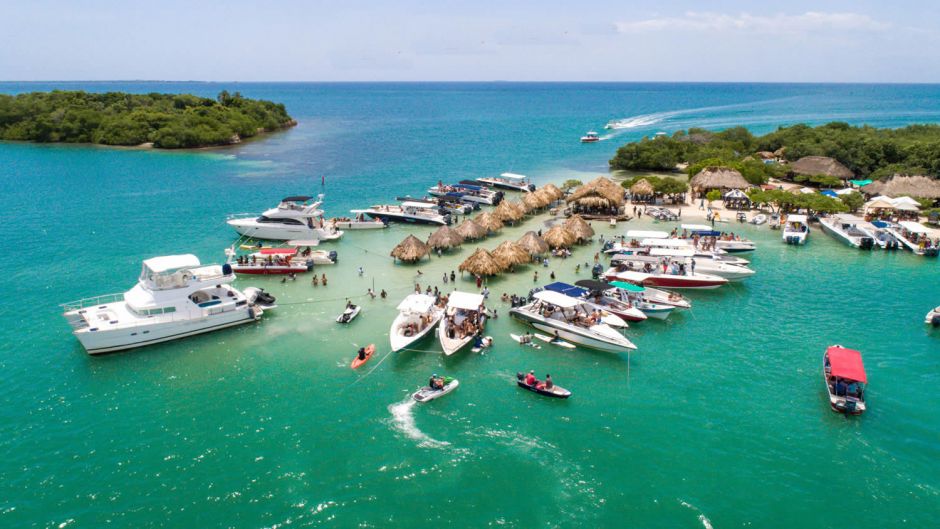
A compact island known as the gathering point for anchored party boats, music, and daytime socializing rather than quiet beach time. It sits apart from the calmer family-oriented stops on the standard boat route.
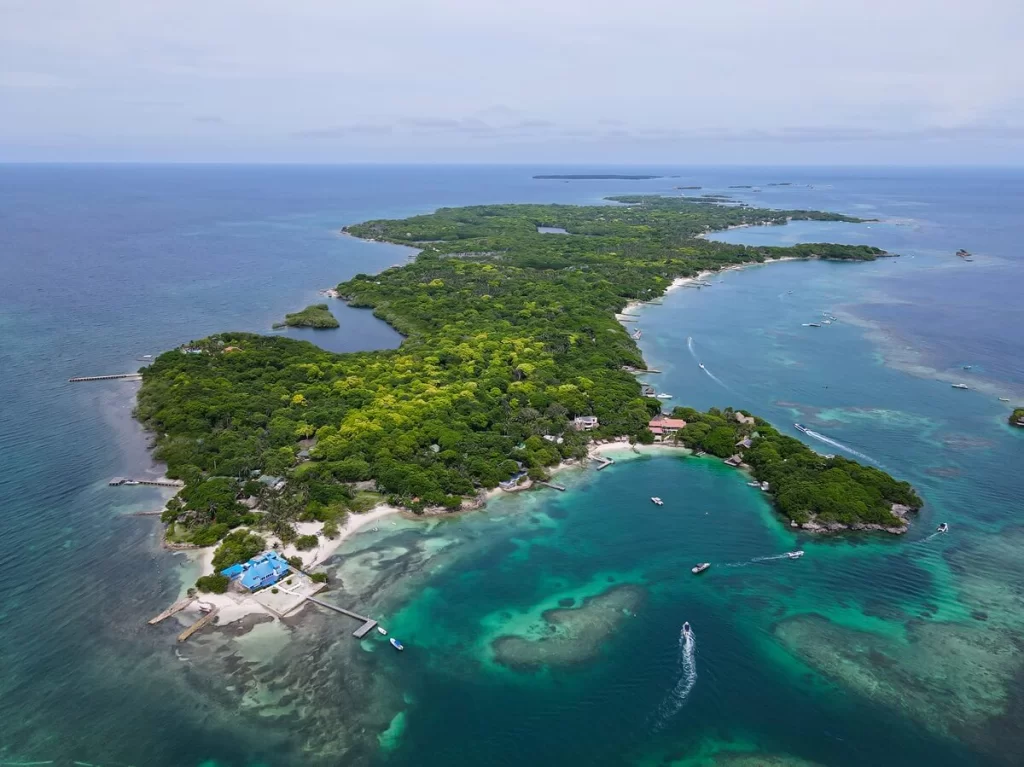
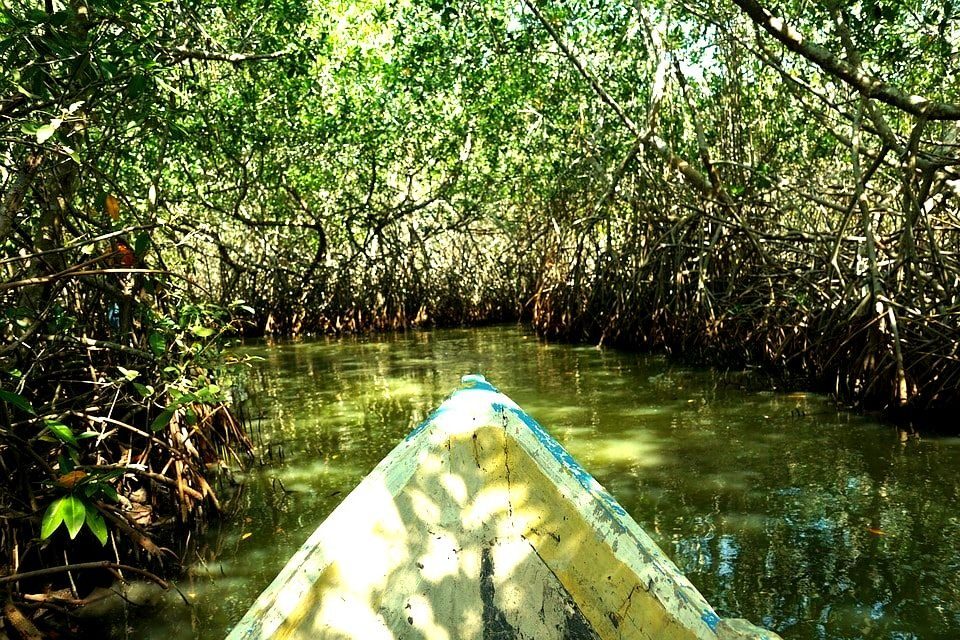
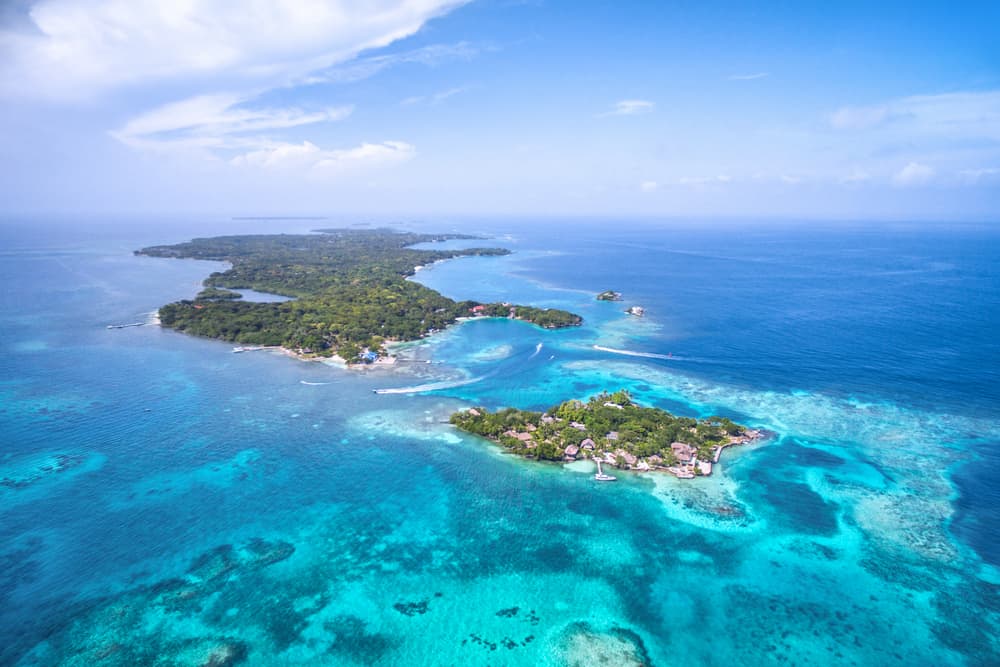
The largest island in the Rosario archipelago, ringed by mangrove stands and home to several small hotels and beach clubs along its shoreline. Its interior mangrove channels are used for guided kayak routes away from the main tourist beaches.
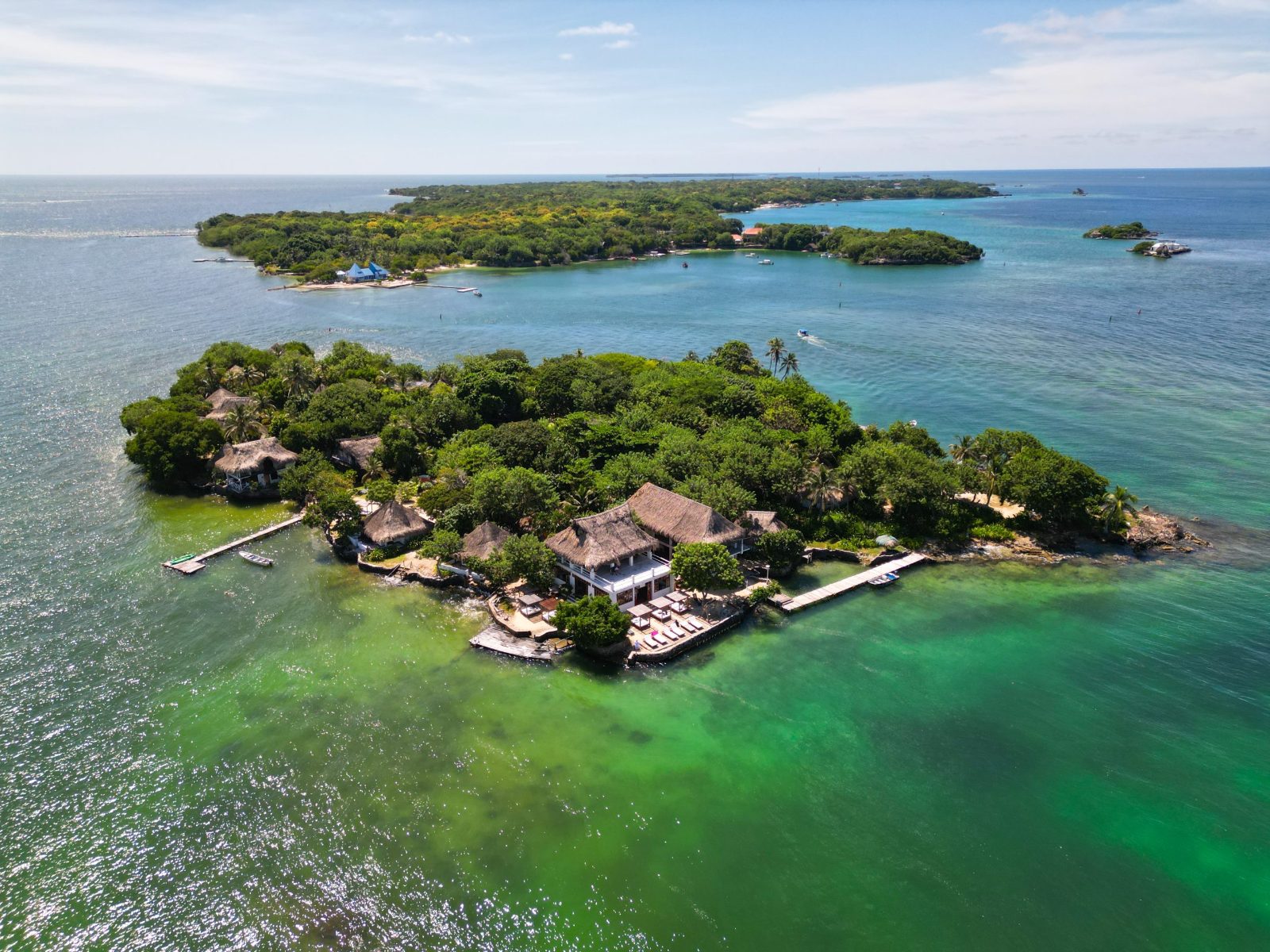
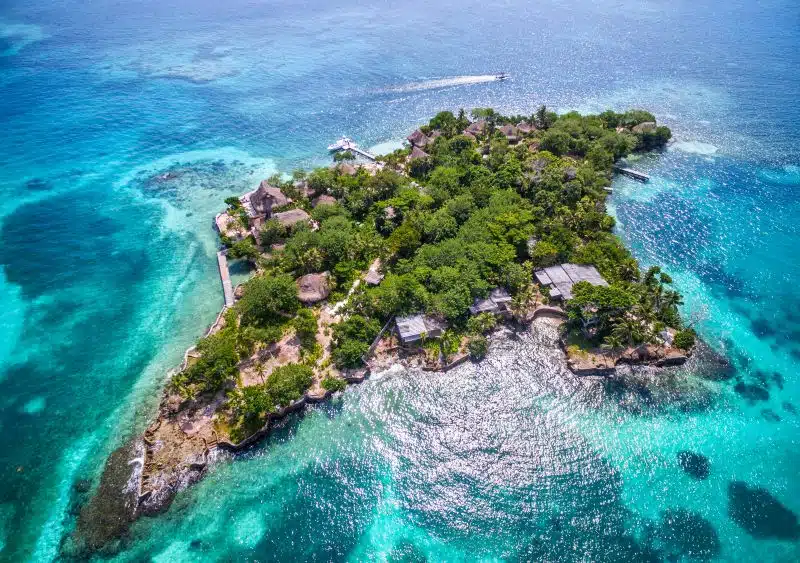
One of the smallest islands in the archipelago, valued for calmer water compared to the busier Barú beaches most tour boats target. Its modest size makes it a quick stop rather than a full-day destination.
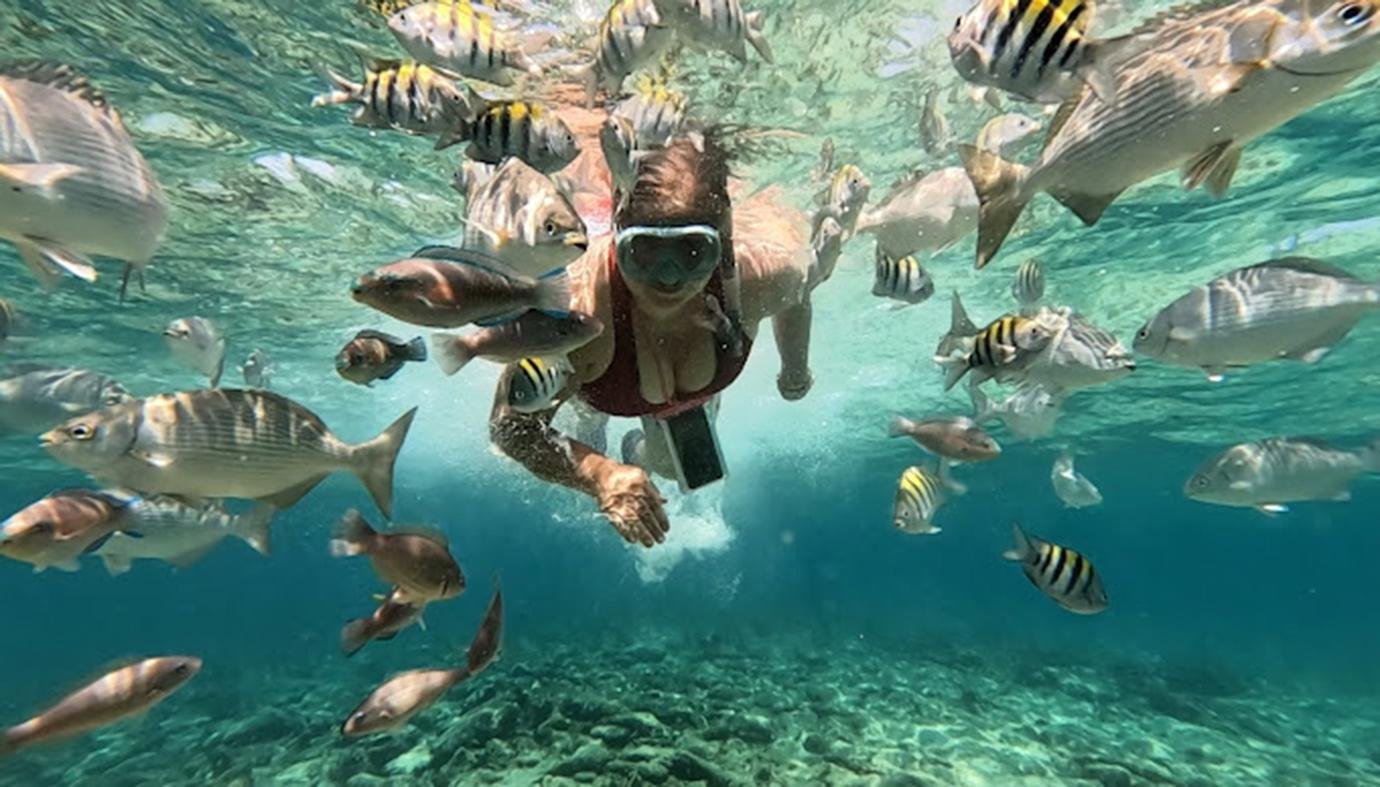
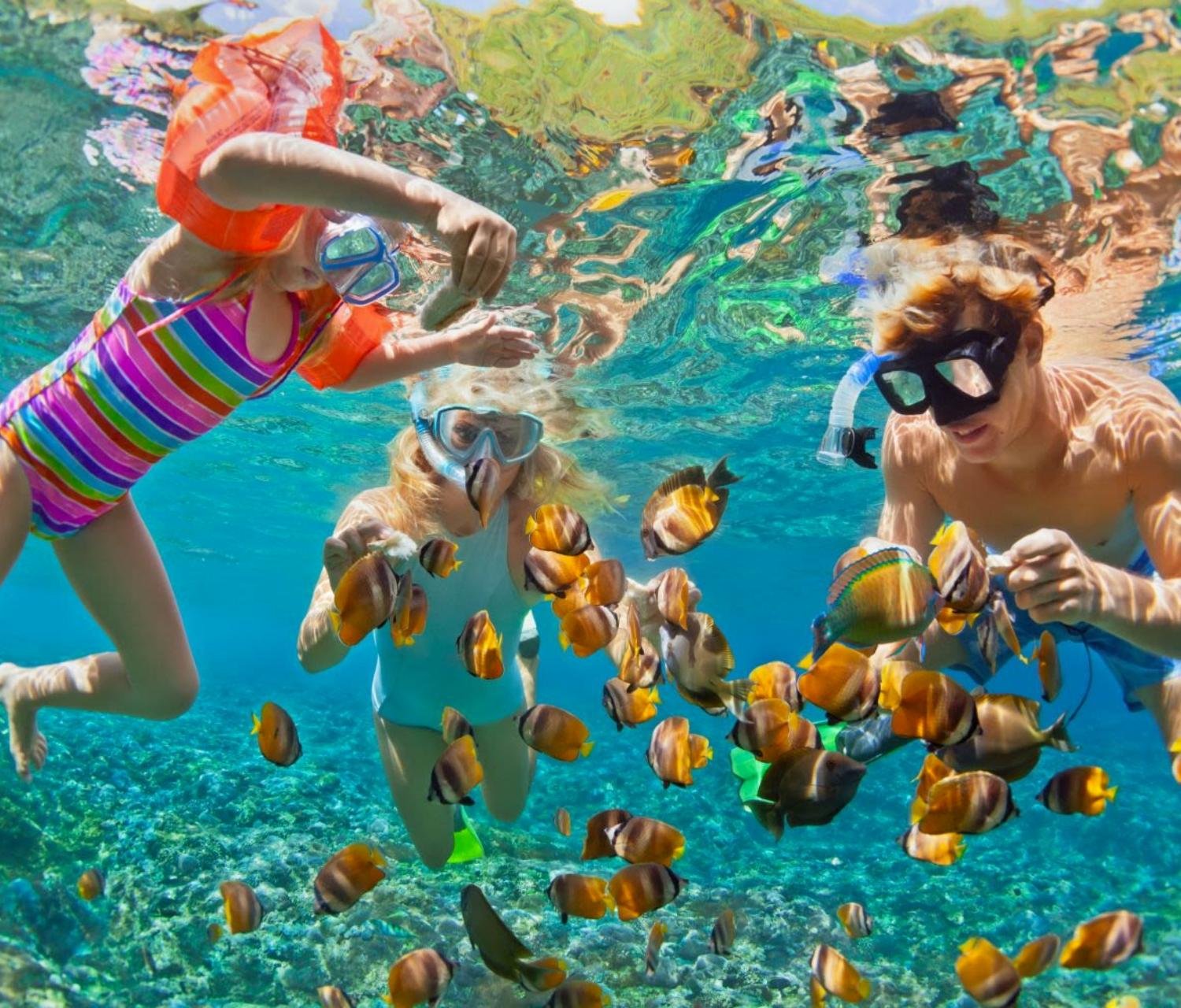
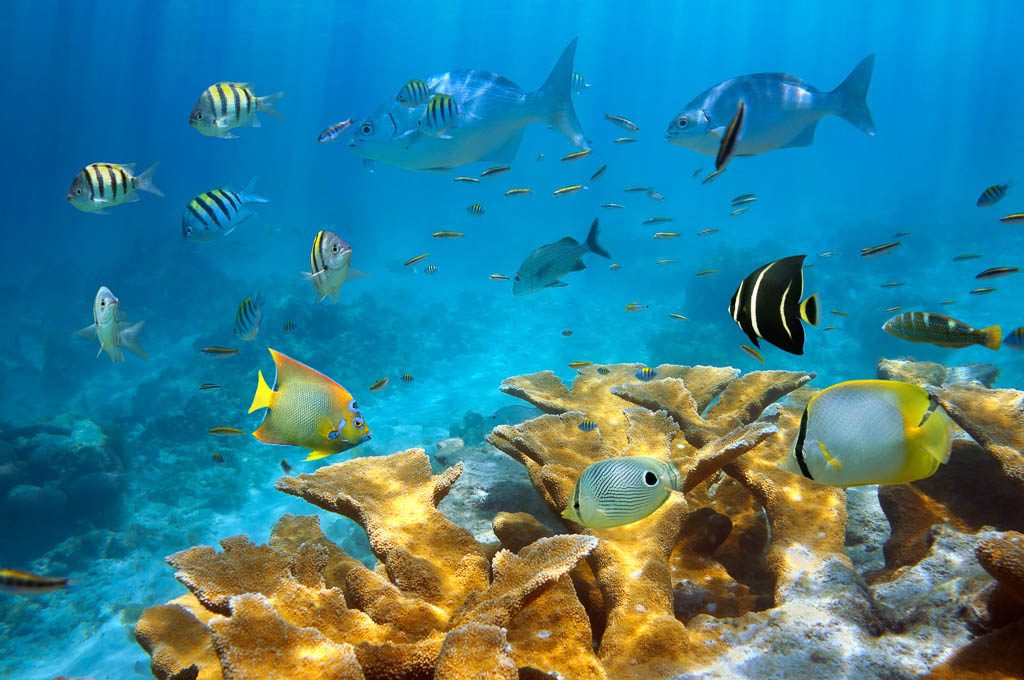
The park protects the largest coral reef platform in the Colombian Caribbean, spanning roughly 120,000 hectares of underwater shelf around the islands. Snorkeling stops along this reef reveal parrotfish, sea fans, and occasional ray sightings in water only a few meters deep.
You reach the Bodeguita dock between 07:00 and 09:30, because boats depart early and afternoon currents limit later crossings. You pay the port tax at the kiosk, find your vessel by the number chalked on its bow, and take a seat toward the stern where the ride is softer. The engines open up past the harbour mouth.
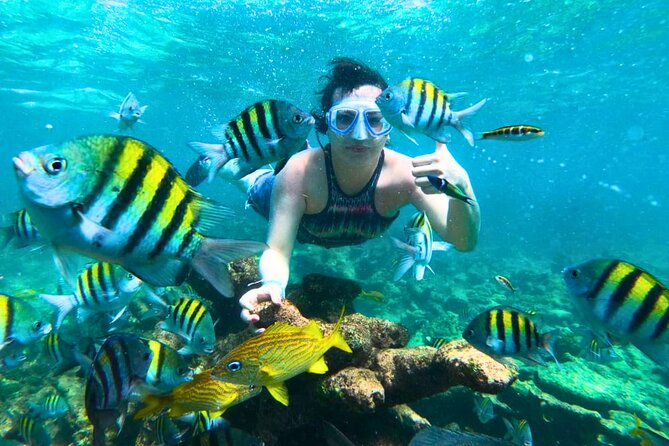
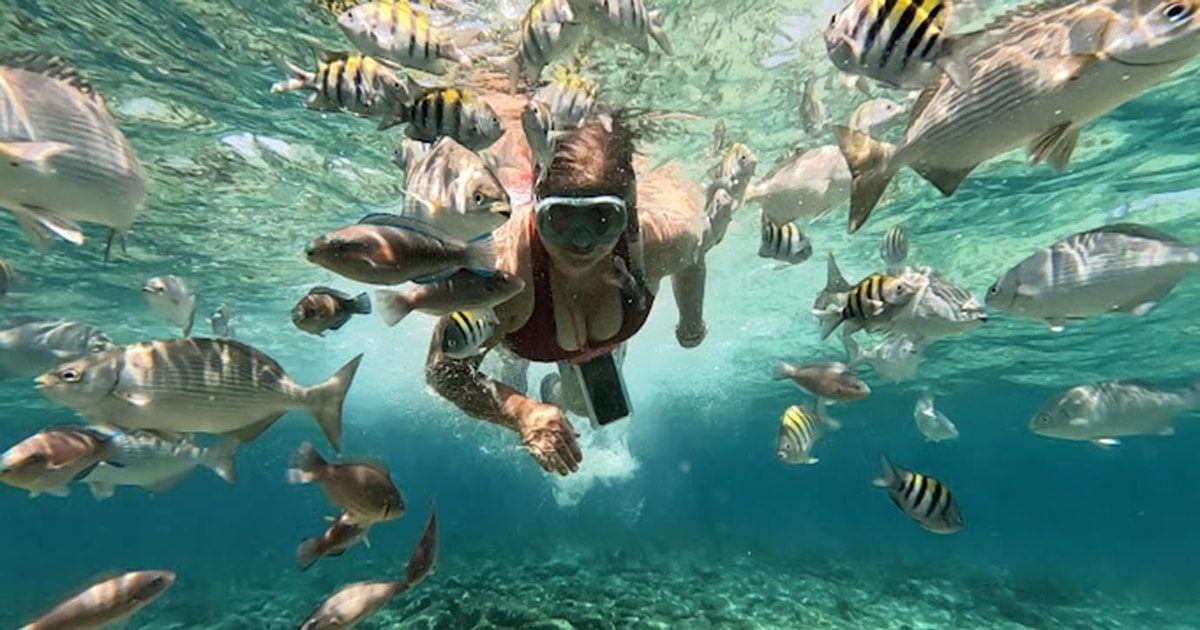
Forty minutes later you cut speed inside a reef channel. You pay the 28,000 COP park entry fee at the landing, collect fins and a mask, and slide in over water four metres deep. You count sergeant majors, follow a parrotfish along a brain coral ridge, and surface when the guide's whistle carries across the surface. Most rosario islands snorkeling stops run two sessions with a break between.
Midday you eat fried mojarra with coconut rice and patacones on a wooden deck, feet in sand. You walk the shoreline path, pass a hand-painted sign for the aquarium at San Martín de Pajarales, and refill water at the kiosk. Your Rosario Islands Tours tour reassembles at the dock in the early afternoon; the return leg is louder and wetter, spray coming over the bow, Cartagena's skyline sharpening ahead. Operations run 07:00–16:00 daily, so nobody lingers past the last departure.
All the details about your upcoming adventure in one place
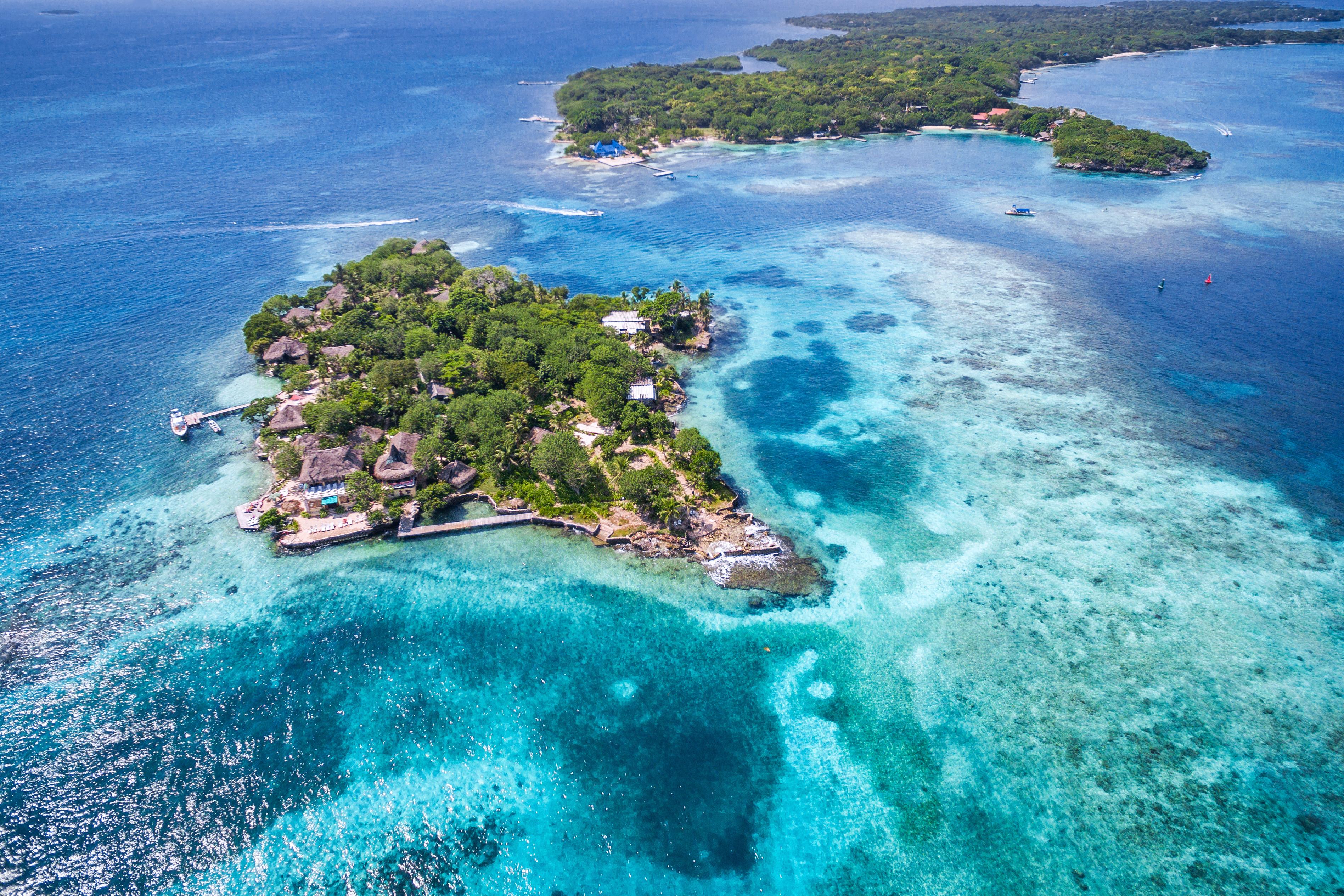
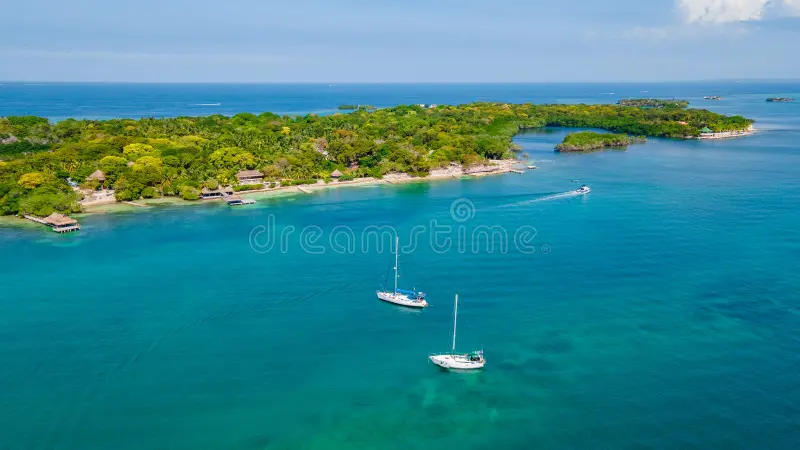
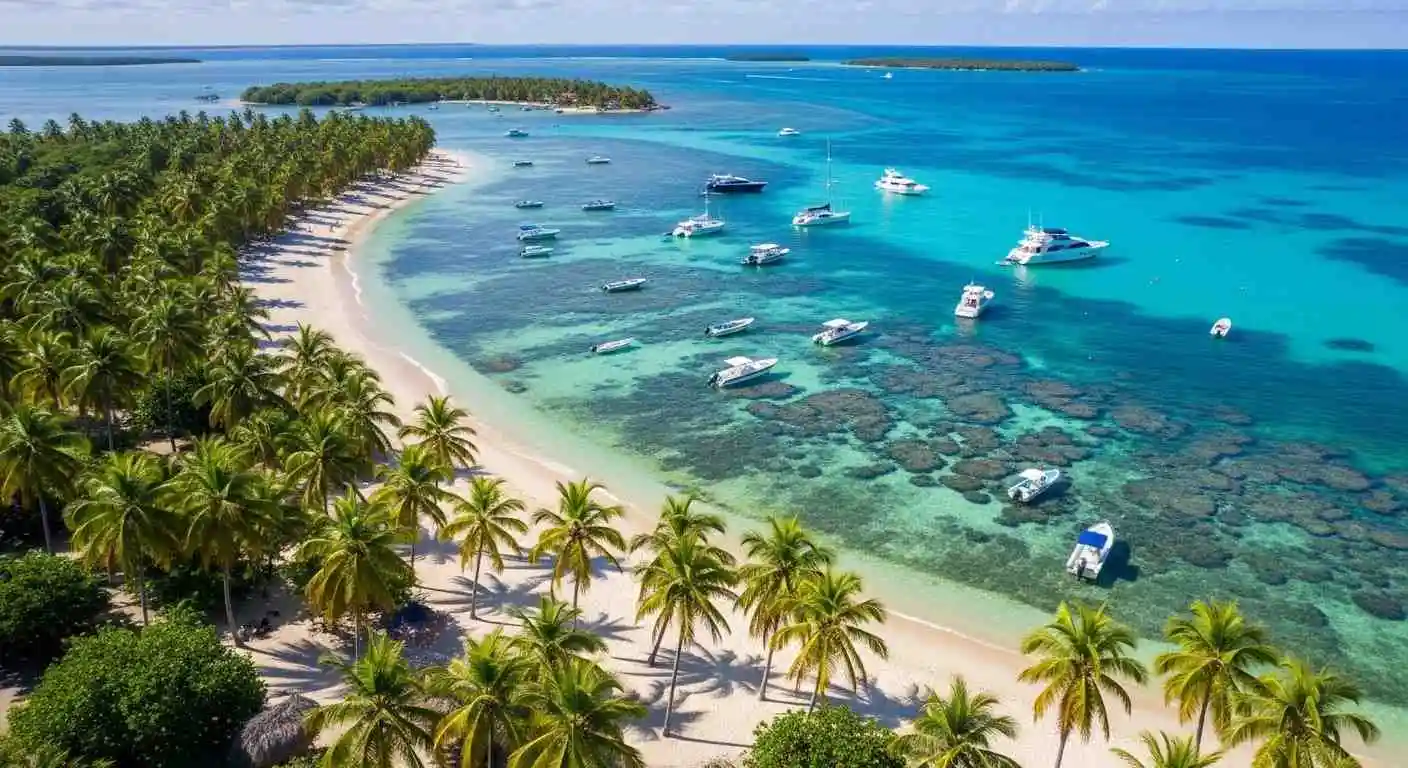
The Corales del Rosario archipelago sits about 45 minutes by speedboat from Cartagena's Muelle de la Bodeguita, a chain of 27 coral islands ringed by mangroves and shallow reef inside a protected national park. Most Rosario Islands Tours combine a boat transfer with snorkelling over the coral gardens, a beach club stop on Isla Grande or Isla del Rosario, and a lunch of fried fish, coconut rice and patacones. Booking Rosario Islands Tours tickets in advance secures a seat on the morning departure, when the Caribbean water is calmest and clearest.
The twenty-eight islands of the archipelago sit on a submerged coral platform that took roughly ten thousand years to build, and almost none of them rise more than five metres above sea level.
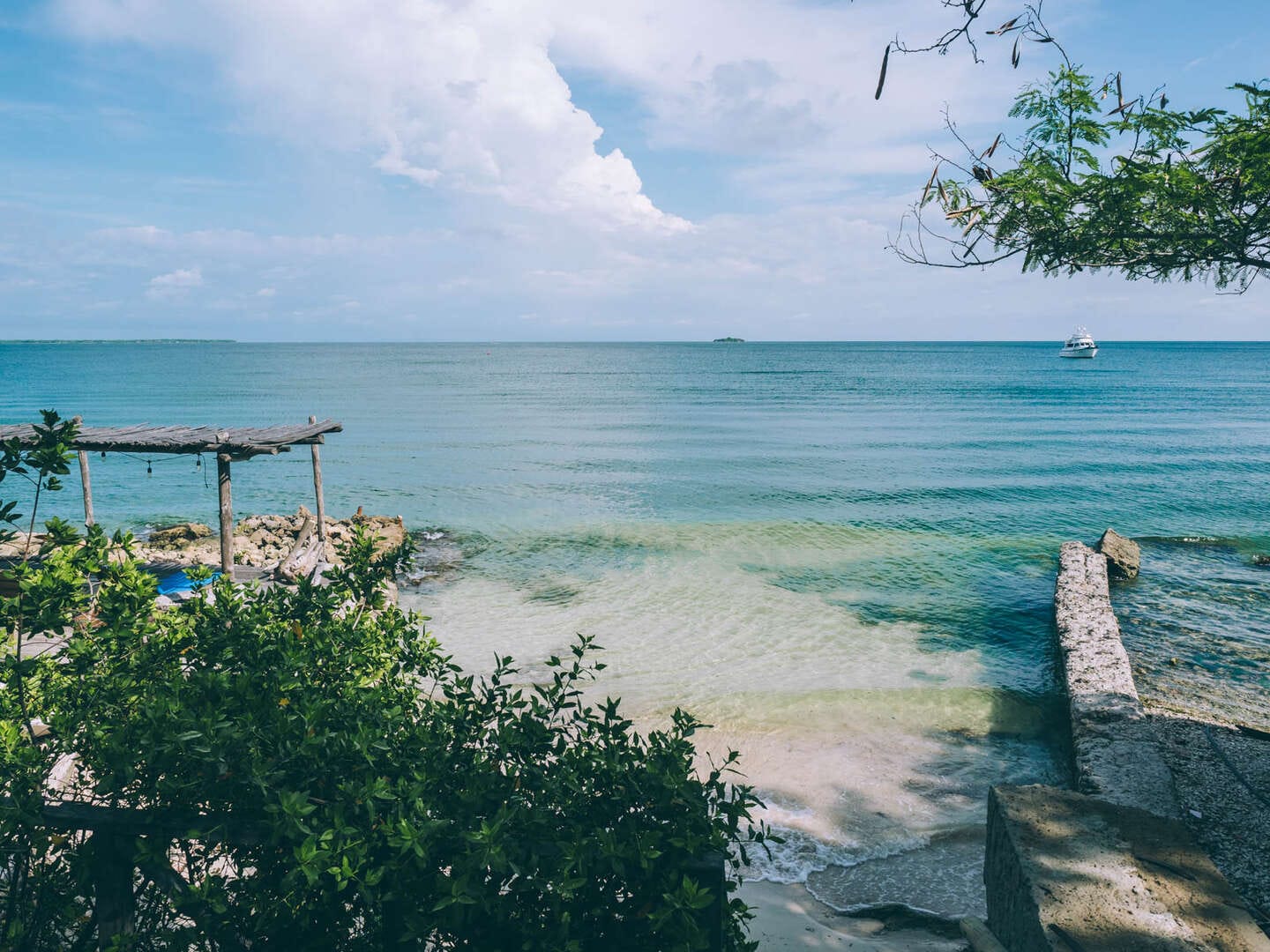
Distance from Cartagena's Bahía de las Ánimas is short — under an hour by fast launch — yet the water changes character completely, shifting from harbour grey to the shallow turquoise of a carbonate shelf.
Colombia declared the waters a protected area in 1977, folding reef, seagrass meadow and mangrove forest into a single marine reserve. That designation, expanded later to include the San Bernardo group, remains the defining fact of the place. Everything visitors encounter — the mooring restrictions, the 28,000 COP entry fee for foreign adults, the ranger presence at landing points — descends from it.
What makes the archipelago matter today is ecological rather than architectural. These are among the most studied coral formations in the Colombian Caribbean, home to elkhorn and brain coral colonies, parrotfish, spiny lobster and the occasional hawksbill turtle. Isla Grande carries an interior lagoon, Laguna Encantada, that glows faintly at night with bioluminescent dinoflagellates. The mangrove tunnels along its northern edge function as fish nurseries, which is why guides cut engines and pole through them. Reef restoration projects have been seeding fragments on frames near Isla Rosario since the mid-2010s, work that continues in 2026.
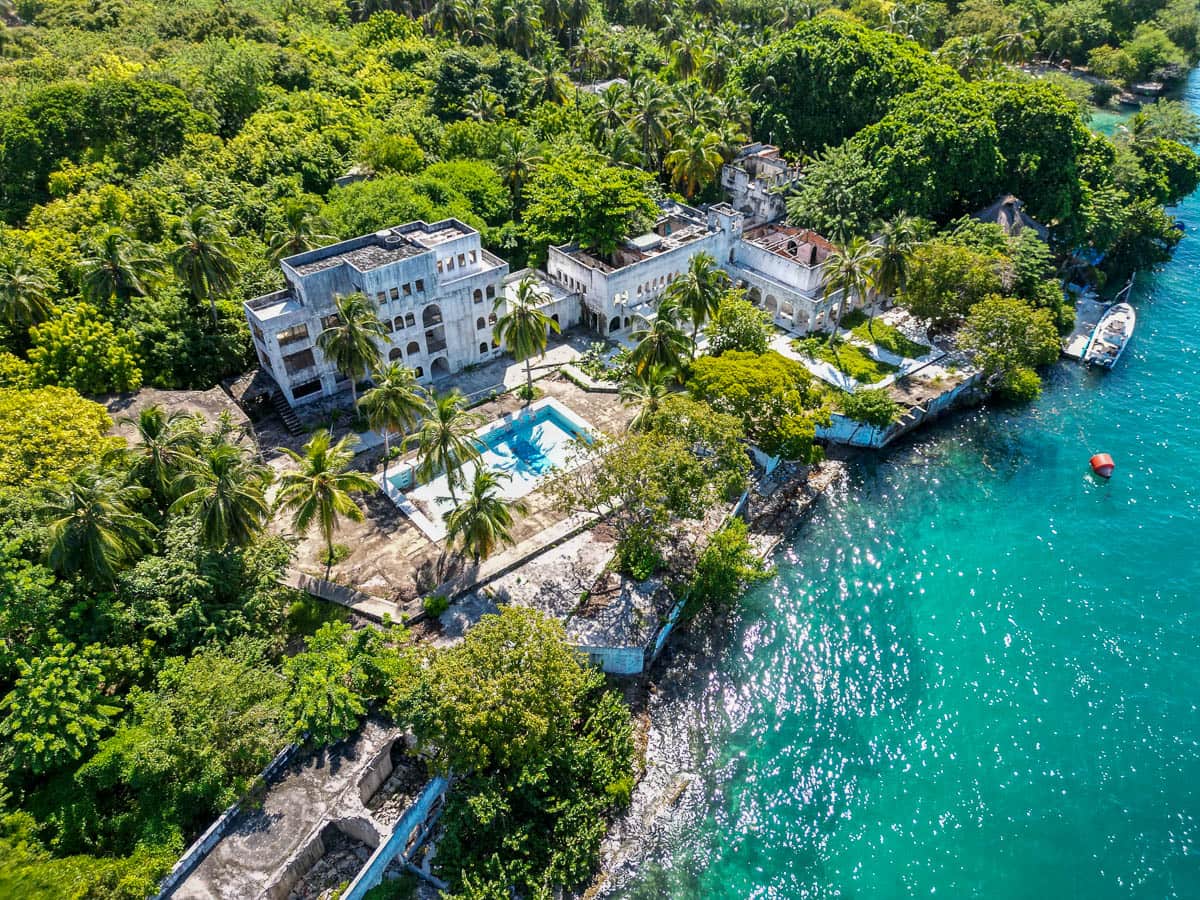
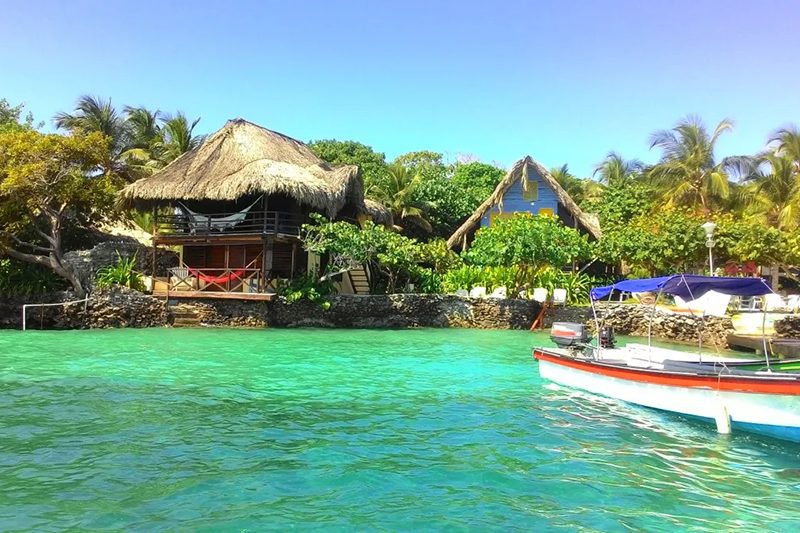
The built landscape is deliberately slight. Wooden docks, thatched palapas, low guesthouses set behind sea grape and coconut palm. A handful of private estates from the 1970s and 1980s remain, some abandoned to the salt air, their concrete shells now colonised by vine. Nothing here competes with the water for attention.
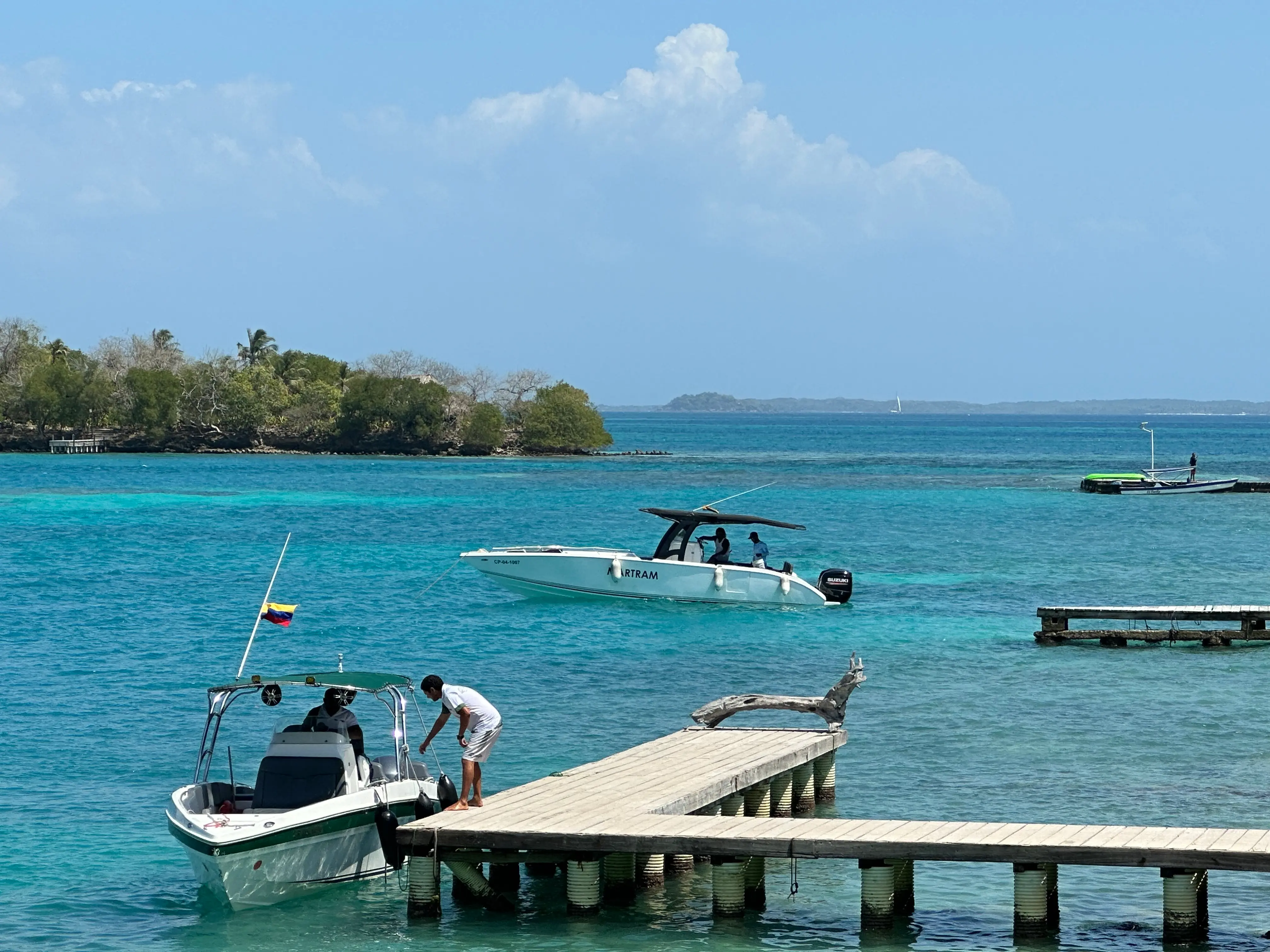
Access is entirely maritime, and that shapes the whole visitor economy. A rosario islands boat tour leaving Muelle de la Bodeguita typically threads past Bocachica and the colonial fortifications of San Fernando before reaching open reef. The ferry from cartagena to rosario islands runs the same corridor at slower speed, favoured by those staying overnight rather than day-tripping. Options for a boat to rosario islands range from shared 40-seat launches to small private craft chartered by the half day, and snorkeling stops are the near-universal centrepiece of each itinerary.
Rosario Islands Tours tickets are sold as combined packages, with the national park entry fee levied separately at the point of landing. The park's official information sits with Parques Nacionales Naturales de Colombia, which publishes current fees and conservation guidance at parquesnacionales.gov.co, and which governs where vessels may anchor and how close swimmers may approach coral heads.

Nothing here competes with the water for attention.
Swimwear under light, quick-dry clothing works best for Rosario Islands Tours, since most itineraries move straight from boat to beach to snorkeling stops. Bring a light cover-up or rash guard for sun protection on the open-air speedboat crossing, and closed-toe water shoes for rocky or coral-edged entry points.
Boats to the islands limit hand luggage to what fits on your lap, with a common cap around 12 kg per person and surcharges for larger bags checked as cargo. Pier staff at Muelle La Bodeguita do a visual bag check before boarding, so pack a small dry bag rather than a large suitcase for any Rosario Islands Tours day trip.
Personal photography and video are permitted throughout the national park, including underwater housings for snorkeling, without a permit for casual tourist use. Drone flights require prior authorization from Parques Nacionales Naturales, since the archipelago sits inside a protected marine park with restricted airspace over nesting and reef zones.
Children are welcome on Rosario Islands Tours boats and typically pay a reduced child fare, though life jackets are mandatory for all ages during the crossing. Infants and toddlers should be kept in shade during the midday hours given the intensity of Caribbean sun on open water.
The islands are reached exclusively by boat with no wheelchair-accessible ferries or piers, and most beach landings involve wading or stepping onto sand or coral platforms. Travelers with mobility limitations should contact their boat operator in advance to confirm which docks and beach clubs have ramps or firmer walkways.
Lunch is included on most Rosario Islands Tours packages and served at a beach club on Isla Grande or Barú, typically rice, fried fish, patacón, salad, and juice. Bottled water is sold at kiosks on the larger islands, but there are no restaurants on the smaller uninhabited cays, so pack snacks if your itinerary skips a lunch stop.
Quietest weekday for boat crossings
Midweek, lighter dock queues
Weekend crowds start building
Busiest day, book boats ahead
Hours
07:00–16:00 daily, boats depart Muelle La Bodeguita in Cartagena;location
Opening hours
hours_today
Getting there
City-center access via metro and bus
Accessibility
Most experiences are wheelchair-friendly — check individual tours
What to bring
Comfortable shoes, water, phone for mobile voucher
Public transport · 45-60 min crossing · Boat fare typically bundled into tour price
No scheduled public ferries serve the archipelago; all standard transit is by chartered tour boat departing Muelle La Bodeguita on a fixed morning schedule.
Car · 10-20 min to pier · 10,000-20,000 COP taxi fare
Drive or taxi to Muelle La Bodeguita in Cartagena's historic center, park nearby, and walk to the pier to board your boat.
Walk · 5-10 min · Free
From inside the Walled City, walk toward the waterfront near Puerta del Reloj (Clock Tower) to reach the pier on foot.
Taxi · ~15 min · 3-4 USD
Uber or taxi from Bocagrande directly to the pier is the fastest option for hotel guests outside the old city.
Most Rosario Islands Tours operators allow free cancellation or rescheduling up to 24-48 hours before departure, since boats run on fixed schedules dictated by port authorities. The 28,000 COP national park entry fee is collected in cash at the dock on arrival and is not refundable once paid, as it funds ranger operations and reef conservation within the protected marine park.
Recommended time
Full day (7-8 hours)
Most Rosario Islands Tours run as a full-day outing, since boats depart Cartagena's docks early and the return crossing tightens once afternoon winds pick up. Arriving in the 07:00-09:30 window matters more than any other single choice: it secures a spot on the first crossings, gives first pick of beach and snorkel spots, and avoids the midday bottleneck at the dock. Add an hour if joining a public boat that waits to fill up rather than departing on a fixed schedule; subtract little, since the archipelago itself asks for unhurried time once you're there. Queues form fastest between 09:30 and 11:00 as multiple operators unload at once, then ease through the afternoon as boats start heading back.
Crowd levels through the day
Weather · crowds · average price — dots go green to amber to red as each metric rises.
December through March is the driest stretch with the least rainfall, but it is also peak national tourist season and the windiest period, so boats may need to return earlier for safety.
Get Colombian pesos from a bank ATM in Bocagrande or the historic center the evening before your trip, since dock ATMs can run out or have long lines.
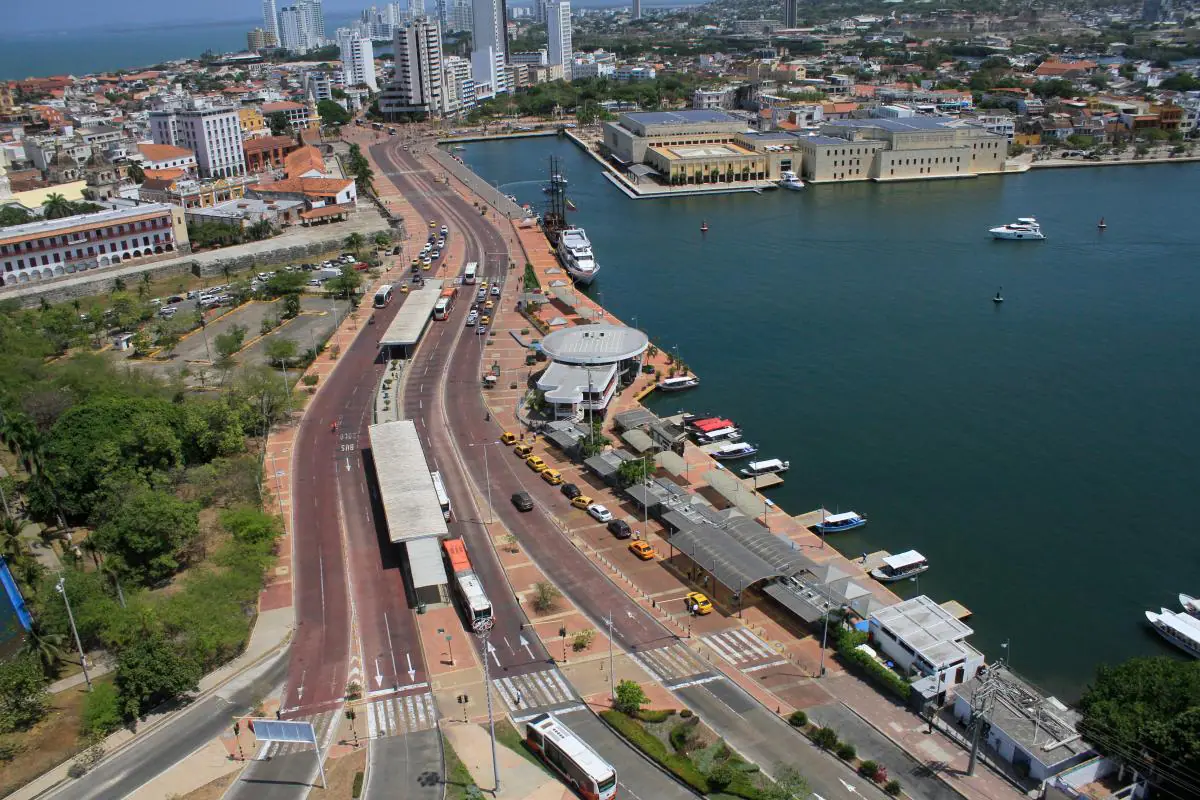
Avenida Blas de Lezo, Centro, Cartagena de Indias, Bolívar 130001, Colombia
Primary departure pier for nearly all Rosario Islands Tours boats, 4-5 minutes on foot from the Clock Tower
Get directionsBocagrande, Cartagena, Colombia
Alternative departure point for guests staying in Bocagrande, about 15 minutes by taxi from the historic center
Get directionsThe archipelago's protected status begins with a signature, not a discovery. In 1977 the Colombian government declared the Corales del Rosario National Natural Park, placing the coral platform off Cartagena's coast under formal protection for the first time. The initial boundary was modest. Successive decrees widened it: an expansion in 1988, and a further enlargement in 1996 that folded in the San Bernardo archipelago and produced the name used today, Corales del Rosario y San Bernardo. The park now covers roughly 120,000 hectares of reef, seagrass and mangrove. Rosario Islands Tours operate inside that legal perimeter, and the 28,000 COP entrance fee collected from foreign adult visitors is a park levy, not a boat charge. Protection arrived late. Through the 1970s and 1980s private owners had already parcelled the islands into villas. The most notorious belonged to Pablo Escobar, whose Isla Grande compound sat within waters the state was simultaneously declaring untouchable. After his death in 1993 the property passed through seizure proceedings and long litigation. The concrete shell survives, roofless and colonised by vegetation, and guides on a Rosario Islands Tours tour still stop there. A Cartagena islands boat trip that ignores the ruin would be incomplete; visitors ask for it by name. The tension the park was created to resolve has not ended. Anchor damage, sunscreen runoff and coral bleaching have thinned the reef since the first surveys. Restoration nurseries around Isla Grande and the Oceanario have been transplanting fragments of staghorn and elkhorn coral for over a decade, with mixed results. Legal disputes over island tenure, unresolved since the 1984 land declarations, still shape which beaches remain accessible. Rosario Islands Tours tickets fund a portion of that management work, and the daily flow of Rosario Islands Tours tours is capped and monitored for the same reason. What survives is a hybrid: a marine reserve carrying the architecture of an era it was never designed to preserve. Park information is published at https://www.parquesnacionales.gov.co.
Colombia declares the Corales del Rosario National Natural Park, giving the reef platform its first legal protection.
Government declarations over island tenure trigger disputes with private owners that remain unresolved.
Pablo Escobar builds and occupies a compound on Isla Grande, inside the newly protected marine area.
The park boundary is expanded beyond its original limits.
Escobar's death begins decades of seizure proceedings over the Isla Grande property.
A further expansion incorporates the San Bernardo archipelago, creating the present 120,000-hectare park.
Coral restoration nurseries begin transplanting staghorn and elkhorn fragments around Isla Grande.
The abandoned villa shell and the reef nurseries are both fixtures of the visitor route.
The roofless, vine-covered walls of the abandoned mansion sit at the far shoreline of Isla Grande, reachable only from the water. Shoot from the boat as it idles offshore, framing the crumbling arches against the tree line, or step onto the narrow dock if your guide allows a brief landing.
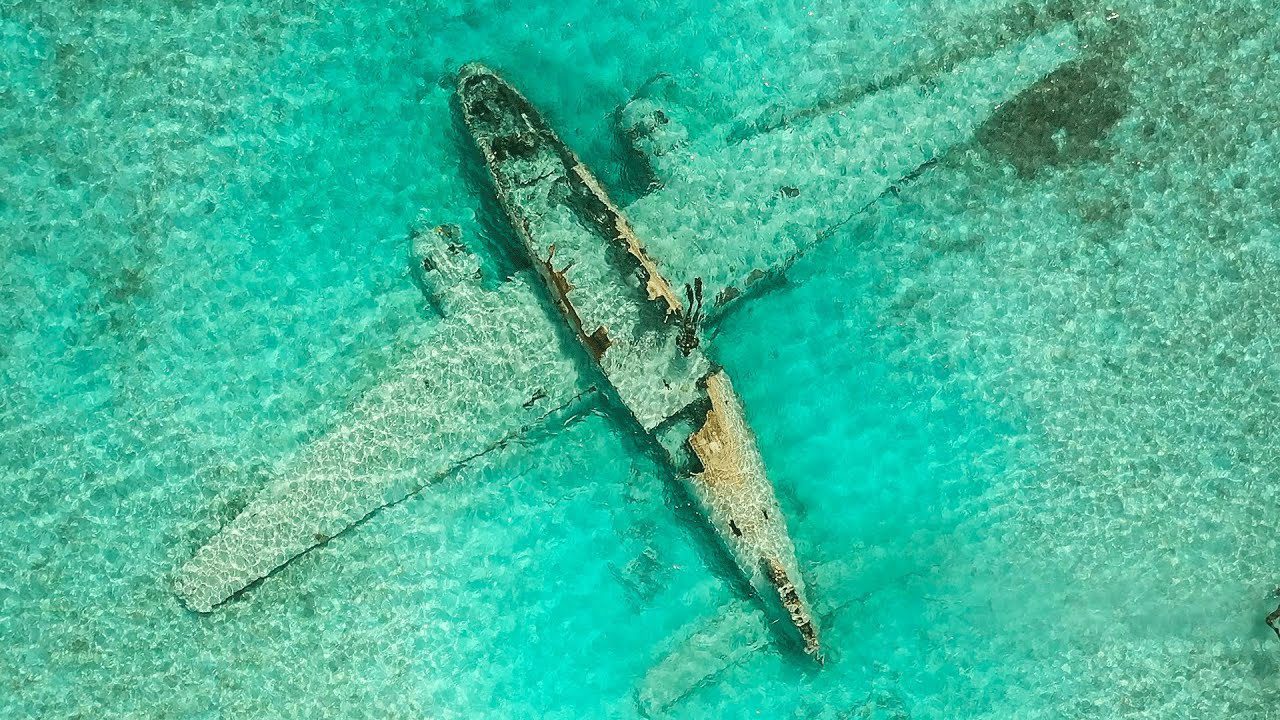
Just off the mansion's shoreline between Isla Grande and Isla Naval, a small submerged plane rests a few meters down in clear water. Snorkelers get the classic overhead shot of the wreck's outline through the shallows; a polarized lens filter cuts glare for a sharper image.
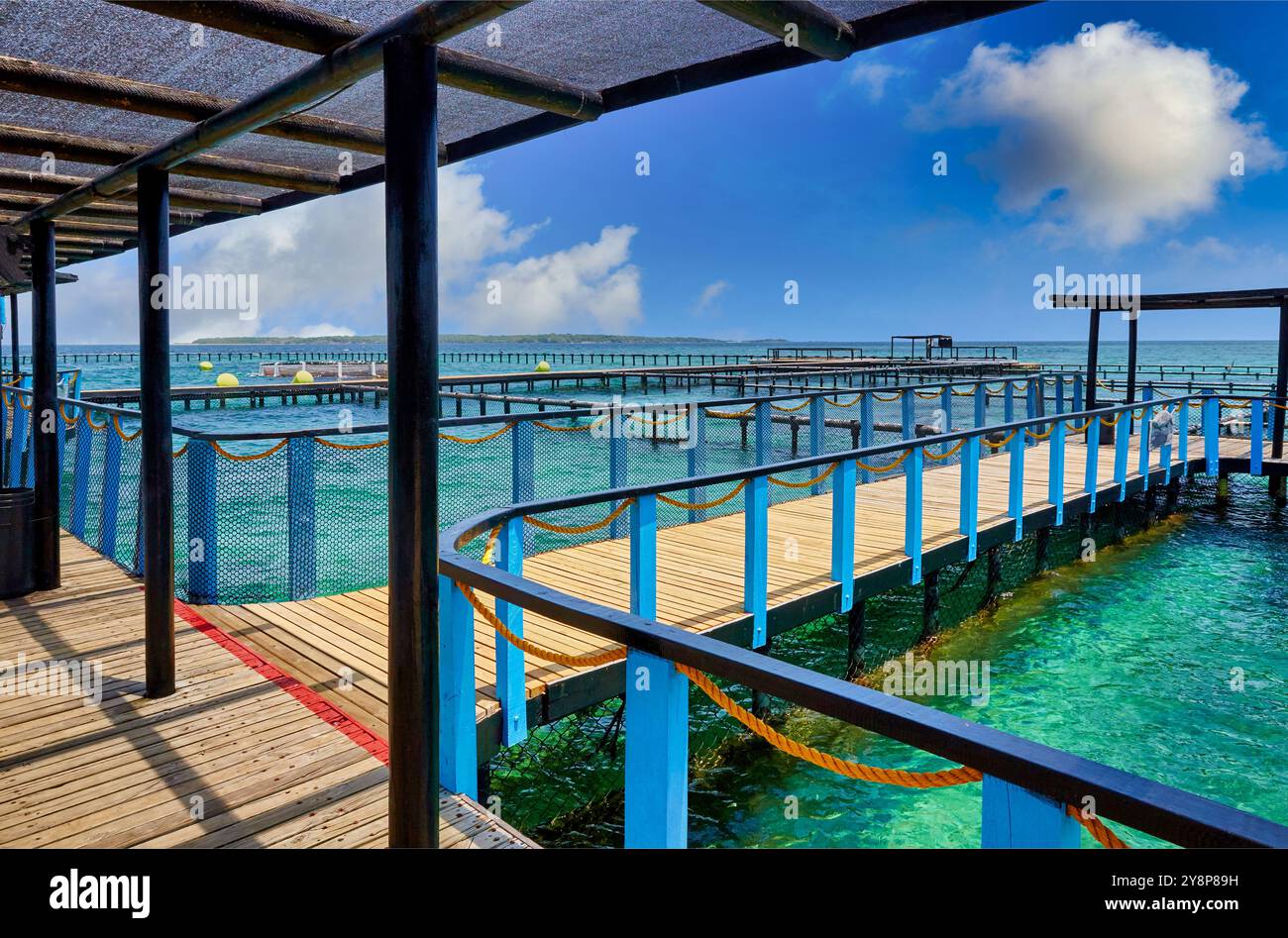
The wooden pier leading into the Oceanario forms a long, symmetrical corridor over turquoise water, popular for a straight-on approach shot as boats dock. Many Rosario Islands Tours stop here, and the pier's railings frame dolphin pools visible just beyond the entrance.
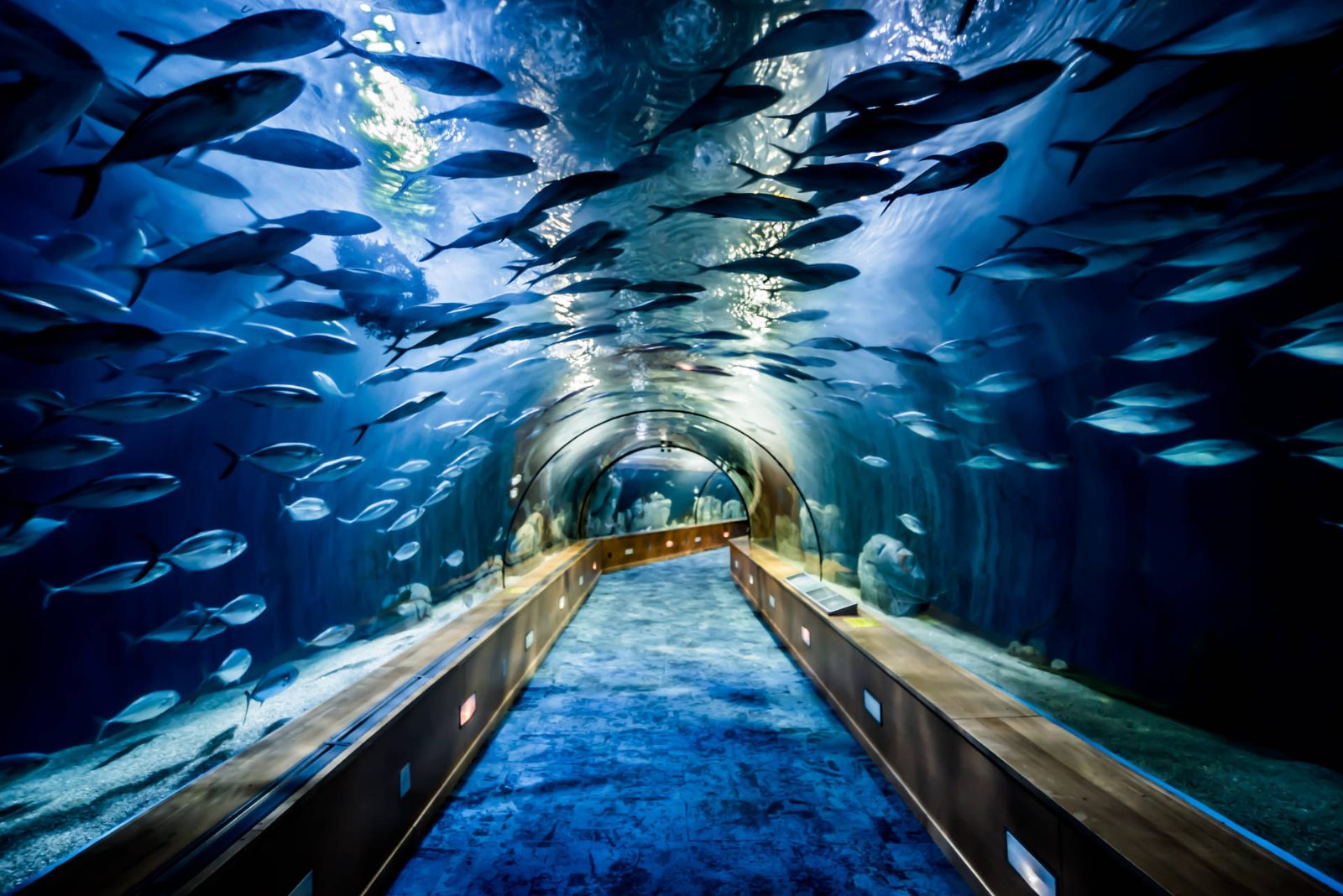
Inside the aquarium, a glass-walled tunnel section lets visitors photograph rays, turtles, and reef fish overhead without a mask. Stand center-tunnel for a symmetrical view with the water's surface visible above the glass ceiling.
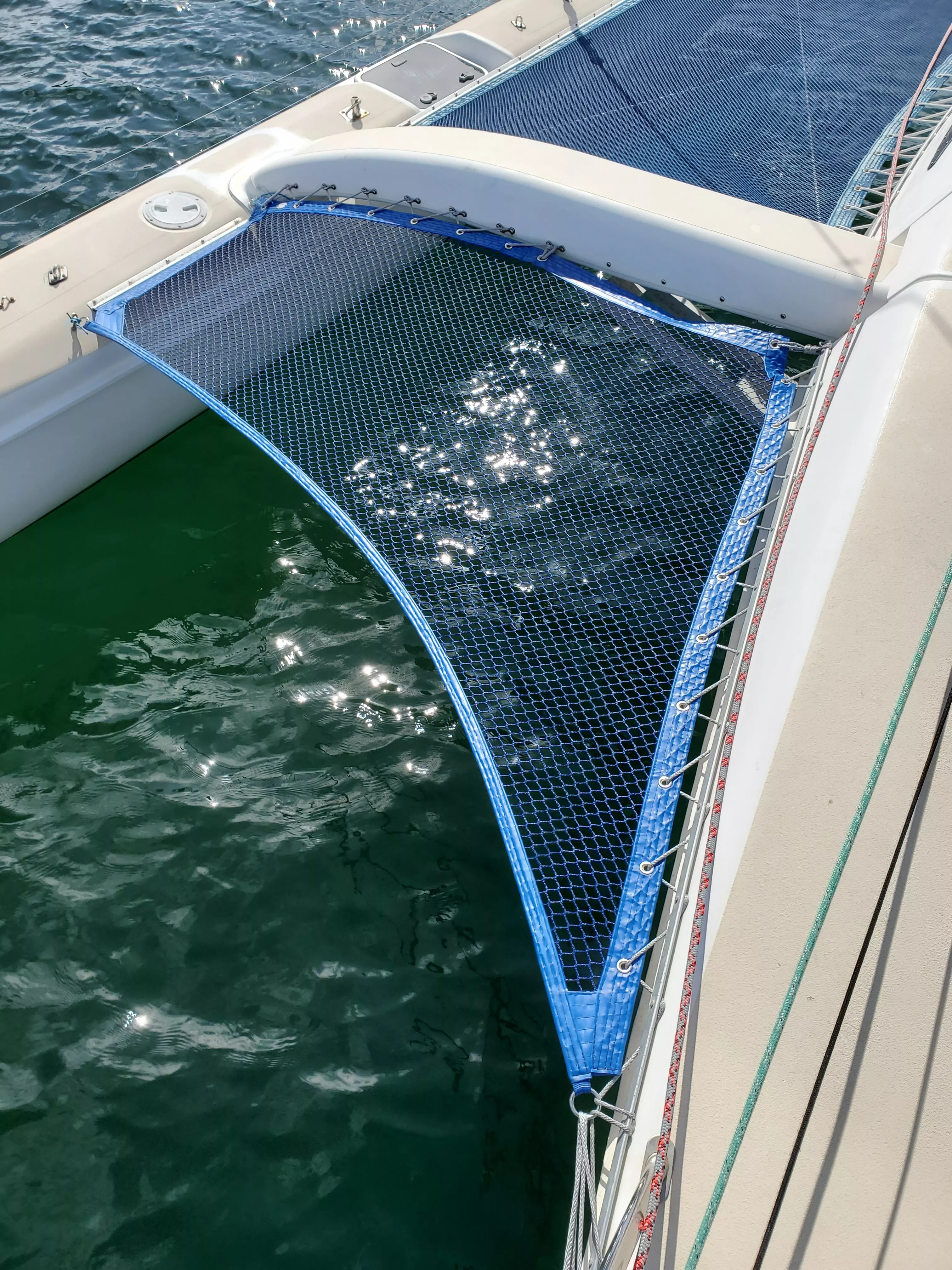
The trampoline-style netting stretched across the bow of the speedboat is where riders lie or kneel to shoot spray and open water passing beneath, with Isla Grande's coastline receding behind. Crews may ask passengers to hold rails during faster stretches of the crossing.
A shoreline clearing on Isla Grande gives an open view across the shallow lagoon toward mangrove edges, reachable via a short path from the main dock. It works well for wide shots that include a moored boat for scale.
Planning Rosario Islands Tours with kids works best when you treat the crossing itself as part of the day, not just the destination, since small speedboats can pound hard on choppy water. Catamarans give young children a steadier, more comfortable ride, and a little pacing around the early boat schedule keeps everyone happier on the islas del Rosario.
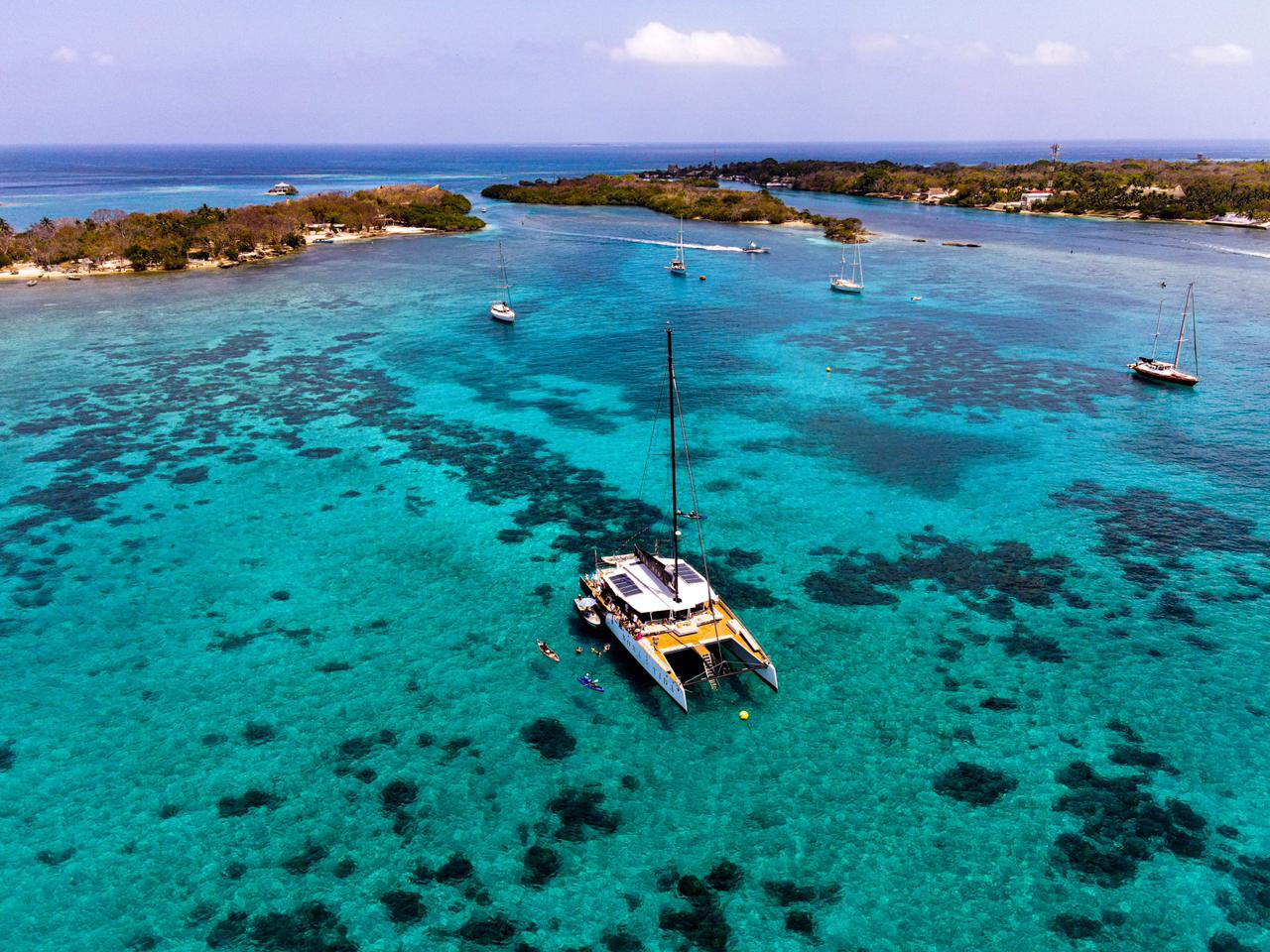
Catamarans offer a wider, more stable deck than the small speedboats used on many Rosario Islands Tours tours, which is easier on toddlers and kids prone to motion sickness. Ask your operator directly whether the vessel is a catamaran before booking if a smoother ride matters.
Shared speedboat tours suit older kids and teens who can handle a bouncy, fast crossing and hopping between islands; toddlers and younger children do better on catamaran options with calmer open-water anchoring. Private charters let you set the pace if you have a wide age range in your group.
Beaches and shallow reef areas around the islands are strewn with coral fragments and rocky patches, so pack water shoes for every child rather than relying on bare feet or flip-flops. This matters more here than at a typical sand beach.
Because the best arrival window is 07:00–09:30, plan an early wake-up and light breakfast before the crossing, then expect the return trip by mid-afternoon as afternoon currents limit later departures. Build in downtime after lunch rather than scheduling activities back-to-back.
Onboard toilets exist on larger catamarans and charters but are basic, and there are no baby-changing stations on the water, so bring a portable mat and extra supplies. Confirm shade coverage and life jackets sized for children when booking Rosario Islands Tours tickets.
Life vests are standard safety gear on board, but bring reef-safe sunscreen and rash guards since shade is limited during snorkeling stops. Reapply often, as saltwater and swimming wash off sunscreen faster than parents expect.
Real experiences from real travelers
We booked one of the Rosario Islands Tours leaving from Muelle de la Bodeguita and the crossing took about 45 minutes with a fair amount of chop. Once past Bocachica the water shifted from grey-green to a proper turquoise and you could see the reef shelf from the boat. Bring a dry bag, the spray reaches everyone in the front rows.
Snorkelling off Isla Grande showed healthy sea fans and brain coral in maybe three metres of water, plus a lot of small parrotfish. The guide explained the Corales del Rosario national park boundaries and why anchoring is restricted in certain zones. Water was warm enough that no wetsuit was needed in May.
The bioluminescent lagoon paddle was the part I keep thinking about — pitch dark, warm air, and the water flashing pale blue every time the paddle moved. Our Rosario Islands Tours tour included the canoe transfer and a guide who kept everyone quiet enough to actually hear the mangroves. Insect repellent is essential after sundown.
The islands themselves are lovely and the archipelago views from the water are worth the trip out from Cartagena. The lancha ride back was rougher than the outbound and my partner found it uncomfortable. Sit toward the stern if you are sensitive to motion.
We arrived early and had a small white-sand beach almost to ourselves for the first hour before the larger boats came in. The sand is coarse and warm, and the shallows stay shallow for a long way out. A Cartagena islands tour like this is best done on a weekday.
Se nota la diferencia entre las islas más cercanas y las exteriores — el agua se vuelve mucho más limpia cuanto más se aleja uno de Cartagena. Our boat stopped at an oceanario before the beach club and the whole loop worked well. Sunscreen labelled reef-safe is enforced at some stops.
Booked skip-the-line Rosario Islands boarding through the operator and it saved a genuine scramble at the dock, which is chaotic in high season. Saw a small ray in the shallows and a lot of pelicans working the water offshore. Ninety-nine islands in the group, apparently, though you only see a handful.
The sandbar between two islets was the highlight, ankle-deep clear water stretching maybe eighty metres. Rosario Islands Tours tickets were straightforward to arrange online the night before. Take cash in small notes, card readers on the islands are unreliable.
September brought a windy crossing with real swell but the leeward side of the islands was flat and glassy. The Cartagena landmarks fade behind you fast and then it is just mangrove and open Caribbean. Hold onto hats.
Comparing options for Rosario Islands Tours tours took an evening but the smaller-boat operators are noticeably better for reef stops. Water temperature was bath-warm and visibility easily ten metres over the coral. We saw a turtle surface twice near the drop-off.
Everything you need to know for your journey
Rosario Islands Tours operate daily from 07:00 to 16:00, matching the national park's standard visiting hours.
There is no separate last-entry rule beyond the standard 07:00-16:00 window, but boats depart early in the morning and afternoon currents limit how late crossings can happen, so plan around the 07:00-09:30 arrival window rather than the closing hour.
The national park entry fee for foreign adults is 28,000 COP per person, paid in cash at the dock alongside any operator tour price.
Glass bottles, spearfishing gear, coral or shell removal, drones without prior authorization, and single-use plastic bags are all restricted within the protected marine park.
Most boats used for Rosario Islands Tours cap hand luggage at what fits on your lap, with surcharges for larger checked bags, so a small dry bag or backpack works best.
Personal photography and video, including underwater housings for snorkeling, are permitted throughout the park without a permit; drone flights need prior authorization.
Shoulder months like April through June bring calmer seas and thinner crowds than the December-to-March peak season, making them a good window to book Rosario Islands Tours.
Swimwear with a light cover-up and water shoes is standard for Rosario Islands Tours, since the day moves between boat, beach, and snorkeling stops.
Lunch is typically included in most Rosario Islands Tours packages at a beach club stop, though bottled water and snacks are worth packing for stretches without a food vendor nearby.
Nearly all Rosario Islands Tours depart from Muelle La Bodeguita in Cartagena's historic center, a short walk from the Clock Tower or a roughly 15-minute taxi from Bocagrande.
Yes, children are welcome on Rosario Islands Tours and usually pay a reduced fare, with life jackets required for all passengers during the boat crossing.
Most operators offer free cancellation or rescheduling up to 24-48 hours before departure, though the 28,000 COP park entry fee itself is non-refundable once paid at the dock.
Playa Blanca, Isla Cholón, Isla del Pirata, and the Oceanario on San Martín de Pajarales are commonly combined with a single day of Rosario Islands Tours.
A long white-sand beach on Barú island known for turquoise, calm water and beach club lunch stops.
A small island known locally as the party island, with anchored boats, music and a lively daytime social scene.
A quieter, smaller island in the archipelago favored for its calmer waters compared to the busier Barú beaches.
A natural-water aquarium built into the sea around Isla San Martín de Pajarales, with dolphin shows and nurse sharks.
The largest island in the Rosario archipelago, home to several beach clubs, small hotels, and mangrove-lined shores.
A cabin-style hotel on Isla Grande built into the tree line with a private beach and restaurant.
A small resort on Isla del Pirata offering a pool, spa, and organized excursions around the archipelago.
The walled colonial city where most Rosario Islands Tours boats depart, with hotels ranging from budget to luxury within walking distance of the pier.
A high-rise beachfront district with mid-range and luxury hotels convenient for early pier check-ins.
Join thousands of happy travelers who have discovered this incredible experience
Book Your Experience Now